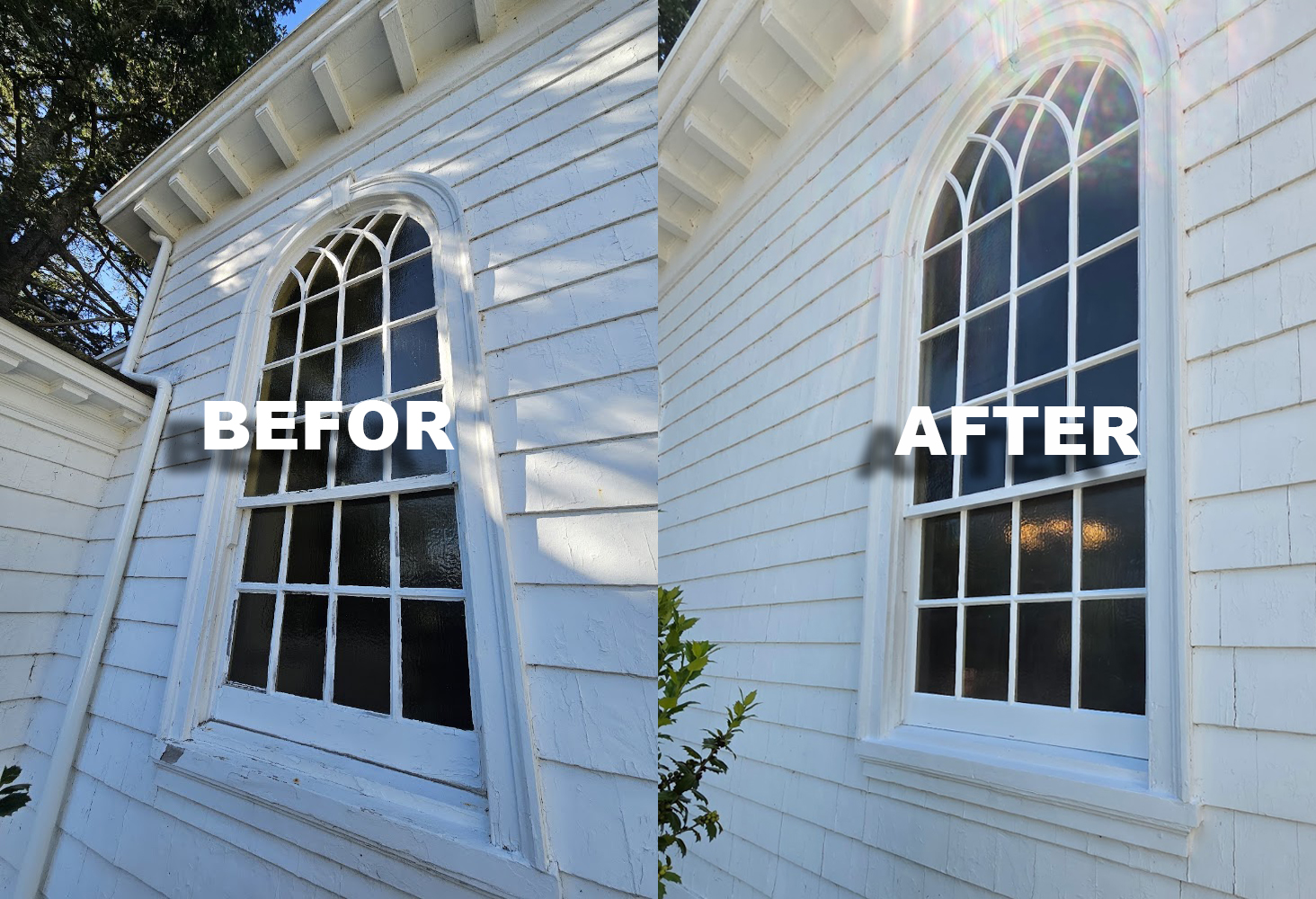
Casement window rot commonly develops when moisture penetrates damaged paint, failed caulking, glazing joints, or gaps around the window opening. It often begins in the lower corners of the sash, where rainwater collects and the wood takes longer to dry. What looks like a small cosmetic defect can eventually affect the strength, operation, and energy efficiency of the entire window.
The good news is that a rotten section does not always mean the whole window must be replaced. Localized decay can often be removed and rebuilt. If the sash is severely damaged, it may be possible to replace only that component while keeping the original frame. A professional inspection can determine whether your window needs a minor repair, sash replacement, frame restoration, or complete replacement.
What Causes Rot in Wood Casement Windows?
Wood windows can last for decades when they are properly protected and maintained. Rot begins when the wood remains damp long enough for fungi to break down its structure.
Common causes include:
- Peeling, cracked, or missing exterior paint
- Failed caulking around the sash or frame
- Gaps between the glass and glazing material
- Water collecting on the lower sash rail or sill
- Damaged flashing around the opening
- Condensation caused by high indoor humidity
- Poor drainage around the exterior frame
- Incorrect installation
- Delayed maintenance
- Previous repairs that covered the damage without stopping the leak
Casement windows can be particularly vulnerable around the bottom corners of the sash and the points where hinges and operating hardware attach to the wood.
Paint may hide the real extent of the problem. A surface can appear relatively solid while the wood beneath it has already softened. For this reason, the source of moisture and the depth of the decay must be identified before choosing a repair method.
Common Signs of Casement Window Rot
Wood decay usually develops gradually. Finding it early can make the difference between a localized repair and replacement of a larger section.
Watch for these signs:
- Soft or spongy wood
- Dark stains or discoloration
- Peeling or bubbling paint
- Cracks around the sash joints
- Crumbling wood fibers
- Gaps between the glass and sash
- A musty smell near the window
- Water stains on the interior trim
- Drafts around a closed sash
- Difficulty opening or closing the window
- Loose hinges or hardware
- A sash that has become warped or misaligned
Lower corners should receive special attention because this is where water frequently becomes trapped. A window that no longer closes properly may also have hidden rot around the hinges, frame, or sash joints.
Homeowners sometimes test suspicious areas by gently pressing them with a small screwdriver. If the tool easily penetrates the surface, the wood may be decayed. However, probing the wood cannot show the complete condition of the window or determine whether water has entered the wall. A professional assessment is recommended before repairs begin.
Is the Window Sash or Frame Rotted?
Before deciding whether to repair or replace the window, it is important to identify which component is damaged.
The sash is the movable part that holds the glass. On a casement window, the sash swings outward or inward with the help of hinges and an operating mechanism.
The frame is the stationary structure attached to the window opening. It supports the sash and provides the surface against which the window closes.
The sill is the lower horizontal part of the frame. Because it is regularly exposed to rainwater, it is one of the most common areas for wood rot.
The trim covers the transition between the window and the surrounding wall. Damaged exterior trim may sometimes look like frame rot, although the underlying frame can still be in serviceable condition.
In some cases, only the lower part of the sash is affected. In others, moisture has passed through the sash and damaged the sill, frame, trim, or surrounding wall. Accurate identification prevents unnecessary replacement and ensures that all compromised wood is addressed.
Can a Rotted Wood Window Sash Be Repaired?
A rotted sash can often be repaired if the damage is limited and the remaining wood is structurally sound. Repair is especially valuable for custom, high-quality, or historic windows that would be difficult to match with modern products.
A repair may be appropriate when:
- Decay is limited to one small section
- Most of the sash remains solid
- The joints have not separated
- The sash has retained its original shape
- Hinges and hardware can still be secured properly
- The glass can be safely reused
- The source of moisture can be eliminated
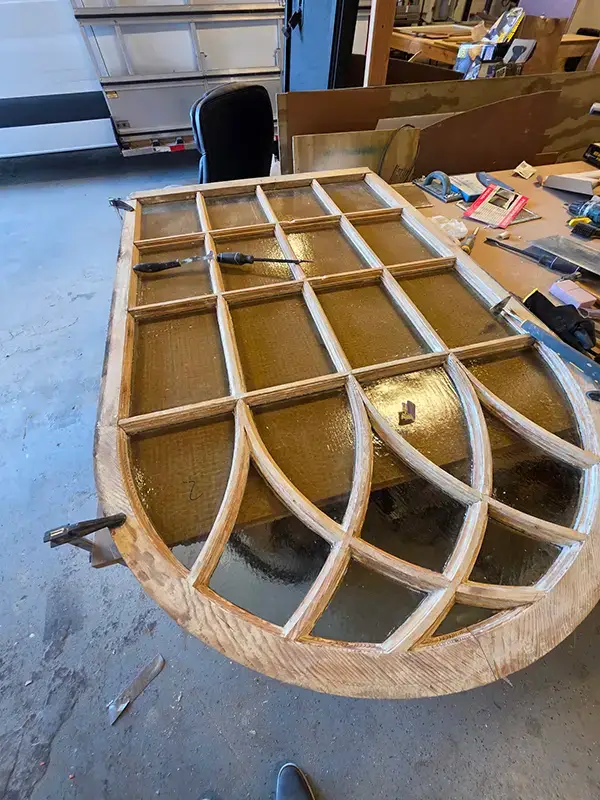
The damaged wood must first be completely removed. Simply applying filler over soft wood will not stop the decay. The remaining area should be dried and treated before it is reconstructed with a compatible wood insert or a professional exterior repair material.
After the structural work is complete, the sash is sealed, primed, and painted. Glazing and caulking may also need to be renewed. The final step is to reinstall and adjust the sash so that it opens, closes, and seals correctly.
A lasting repair depends on correcting the original water problem. If the leak, failed glazing, or damaged paint remains, rot is likely to return.
When Is Wood Window Sash Replacement Necessary?
A wood window sash replacement may be the best option when decay affects too much of the existing sash to provide a dependable repair.
Replacement should be considered when:
- Several sash components are rotten
- The lower rail and corner joints have deteriorated
- The sash has become badly warped
- Hinges cannot be securely attached
- The wood surrounding the glass is unstable
- Previous repairs have repeatedly failed
- The sash can no longer be properly aligned
- The cost of extensive reconstruction approaches the cost of a new sash
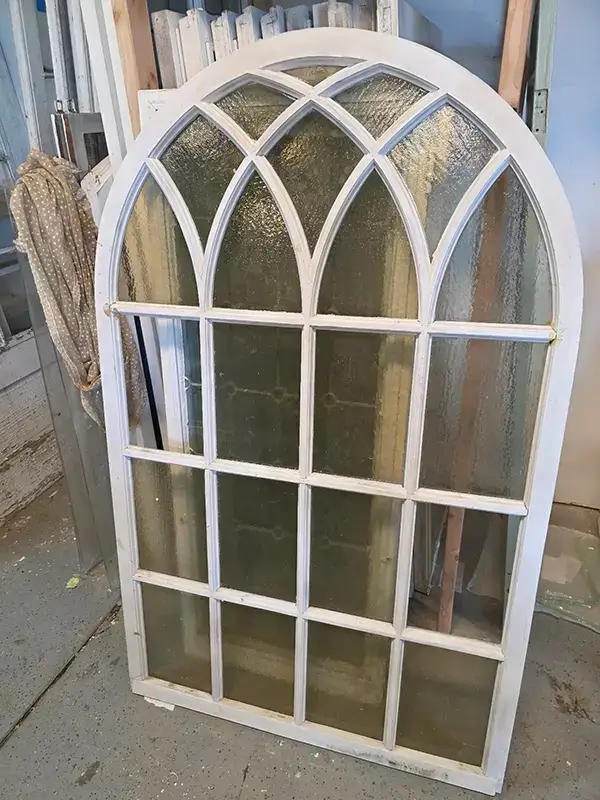
Replacing the sash does not necessarily mean replacing the entire window. A new wood sash can often be made to fit the existing frame. Depending on the condition of the original components, the glass, hardware, or architectural details may also be reused.
Custom sash replacement is particularly useful for historic buildings and homes with unique window sizes. It allows the property owner to preserve the original opening and appearance while restoring safe operation and weather resistance.
When Does a Wood Window Frame Need Replacement?
A wood window frame replacement becomes necessary when the stationary structure can no longer support the sash or protect the opening from water.
Warning signs include:
- Deep decay in multiple frame sections
- Extensive sill deterioration
- Loose or unstable frame joints
- Water entering the surrounding wall
- Structural movement around the opening
- Repeated rot after previous repairs
- An opening that is severely warped or out of square
- Insufficient solid wood for attaching repaired components
Not every damaged frame requires complete replacement. Localized frame rot can sometimes be cut out and repaired with a matching piece of wood. A severely damaged sill may also be replaced without removing the entire window.
The appropriate solution depends on how far the moisture has traveled. If decay is limited to an exterior section, partial restoration may be sufficient. If the damage extends through the full depth of the frame or into the wall, more extensive work may be required.
Window Sash Repair vs. Sash Replacement
Sash repair is generally the preferred approach when the damage is localized and the original structure remains strong. It preserves more of the existing window, creates less disruption, and may be more economical.
Sash replacement is usually more reliable when the joints, lower rail, hinge areas, or multiple sections have lost their structural integrity. A new sash also provides an opportunity to correct severe warping and restore a consistent seal around the opening.
The decision should be based on:
- The percentage of the sash affected by rot
- The condition of its joints
- The ability of the sash to hold glass and hardware
- Its current shape and alignment
- The architectural value of the original window
- The expected service life of the repair
- The cost of repair compared with custom fabrication
The least expensive initial option is not always the most economical over time. A small patch on severely deteriorated wood may fail quickly, while a properly fabricated replacement sash can provide a much longer-lasting result.
Window Frame Repair vs. Full Replacement
A rotten section of the frame does not automatically require a completely new window. Professional frame repair may preserve the original opening and avoid unnecessary damage to interior walls, exterior siding, trim, or historic finishes.
Localized repair can be appropriate when the damaged material can be removed and the remaining frame is dry and structurally stable. The repair area can then be rebuilt, sealed, primed, and painted.
Complete frame or window replacement may be more practical when:
- Rot affects most of the frame
- Water has damaged the surrounding wall
- The frame has significantly shifted
- Multiple previous repairs have failed
- The window cannot be properly sealed
- Replacement would provide a more durable result than extensive reconstruction
Historic wood windows deserve careful evaluation before removal. Older windows were often manufactured from dense, high-quality wood that can be worth preserving. Repairing or reproducing damaged components may maintain the building’s character more effectively than installing an incompatible modern window.
How Professionals Repair Rotted Casement Windows
A professional casement window restoration typically begins with a detailed inspection. The technician checks the sash, frame, sill, glazing, caulking, hardware, and nearby wall surfaces.
The repair process may include:
- Identifying the source of moisture. This can involve failed paint, glazing, flashing, caulking, or drainage.
- Determining the depth of the damage. All soft and unstable wood must be identified.
- Removing the affected material. Rotten sections are cut away until sound wood is reached.
- Drying and treating the area. The remaining wood is prepared to help prevent continuing decay.
- Rebuilding the damaged component. The technician may install a matching wood section, reconstruct the area, or fabricate a replacement part.
- Restoring glazing and weather protection. Failed glazing, seals, and caulking are repaired as needed.
- Repairing the operating system. Hinges, locks, handles, and crank mechanisms are adjusted or replaced if necessary.
- Priming and painting the wood. Proper coatings protect the restored area from future moisture exposure.
- Adjusting the sash. The finished window is checked for smooth operation, alignment, and sealing.
Covering rotten wood with filler or paint without removing the decay and stopping the water source is usually only a temporary solution.
How Much Does Wood Window Rot Repair Cost?
The cost of repairing a rotten wood window depends on the condition and construction of the individual unit. An accurate price generally cannot be established from the visible surface damage alone.
Important cost factors include:
- Window size and design
- Depth and location of the decay
- Number of damaged components
- Sash, sill, frame, or trim condition
- Type of wood
- Need for custom fabrication
- Condition of the glass and glazing
- Hardware repairs
- Accessibility
- Painting and finishing requirements
- Historic preservation requirements
A small repair to one sash corner will normally involve less work than rebuilding the lower sash rail or replacing a structural frame section. Detailed photographs can help with a preliminary assessment, but an on-site inspection may be needed to determine the full scope of work.
How to Prevent Casement Window Rot
Preventive maintenance is usually less expensive than structural repair. Wood windows should be inspected regularly, especially after winter or periods of heavy rain.
To reduce the risk of rot:
- Repair peeling or cracked paint promptly
- Keep exterior wood properly primed and painted
- Replace failed caulking
- Inspect the glazing around the glass
- Make sure water drains away from the sill
- Address indoor condensation
- Check lower sash corners for softness
- Keep drainage openings clear
- Repair roof, siding, or masonry leaks near the window
- Schedule an inspection when a sash becomes difficult to operate
Do not seal over damp or decayed wood. The damaged area must be allowed to dry, and the source of moisture must be corrected before new coatings are applied.
Finding Window Frame and Sash Repair Near You
When comparing companies for window frame repair near me, look for a contractor with specific experience in wooden window restoration. Many general window companies focus primarily on installing new units and may recommend full replacement even when repair is possible.
A qualified specialist should be able to:
- Identify whether the sash, frame, sill, or trim is damaged
- Determine how moisture entered the window
- Repair localized rot
- Fabricate replacement wood components
- Work with casement window hardware
- Preserve original glass and architectural details when practical
- Explain whether repair or replacement provides better long-term value
The same standards apply when looking for window sash repair near me. Ask to see examples of previous wood window repairs and request a clear description of the proposed work. The estimate should identify which components will be repaired, rebuilt, or replaced.
Why Choose Artan Window Solutions?
Artan Window Solutions provides professional repair and restoration services for wood casement windows. Our team evaluates the complete window assembly to determine whether the damage can be repaired or whether a sash, frame section, sill, or other component should be replaced.
Our services include:
- Wood window sash repair
- Custom sash replacement
- Rotten window frame repair
- Sill and exterior wood restoration
- Casement window adjustment
- Hardware and crank mechanism repair
- Window reglazing
- Glass replacement
- Historic window restoration
Whenever practical, we work to preserve serviceable original components instead of replacing the entire window. Artan Window Solutions serves residential and commercial properties throughout New York City, Long Island, Nassau County, Suffolk County, the Hamptons, and New Jersey.
Frequently Asked Questions
Can a rotted casement window be repaired?
Yes, localized casement window rot can often be repaired. The decayed wood must be completely removed, the moisture source corrected, and the area rebuilt with a suitable material or matching wood section. If the damage has affected the structural joints or most of the sash, replacement may be more dependable.
Is it cheaper to repair or replace a wood window sash?
Repair is usually less expensive when the damaged area is small. However, reconstructing multiple rotten components may cost as much as manufacturing a replacement sash. The condition of the joints, glass, hardware, and remaining wood should be evaluated before comparing the two options.
Can you replace a window sash without replacing the frame?
Yes. If the existing frame is structurally sound, a new sash can often be fabricated and fitted into it. This approach can preserve the original opening, interior trim, and architectural appearance while restoring proper window operation.
How do I know if my window frame is rotten?
Common signs include soft wood, peeling paint, discoloration, cracks, water stains, loose hardware, and visible deterioration around the sill. Because damage may continue beneath the paint, a professional inspection may be necessary to determine its actual depth.
How long does wood window rot repair last?
A professionally completed repair can last for many years when all decayed wood is removed and the source of moisture is eliminated. Its lifespan also depends on the quality of the repair, exposure to weather, painting, sealing, and future maintenance.
Can a partially rotted window frame be repaired?
Yes. A partially rotted frame can often be restored by removing the affected material and installing a new wood section. Repair is appropriate only when enough solid wood remains to support the sash and maintain the structural integrity of the opening.
What is the difference between window sash and frame replacement?
Sash replacement involves replacing only the movable section that holds the glass. Frame replacement involves the stationary structure attached to the building. If the frame remains solid, replacing only the sash can reduce demolition and preserve more of the original window.
Should historic wood windows be repaired or replaced?
Historic wood windows should generally be evaluated for repair before replacement. Original components may be made from durable old-growth wood and contribute to the building’s architectural character. When damage is extensive, individual parts can often be reproduced while preserving the overall design.
Schedule a Professional Wood Window Inspection
Casement window rot should be addressed before moisture spreads into the frame, wall, or interior finishes. Localized damage may require only a targeted repair, while extensive decay may call for a new sash or replacement frame component.
For more on glass vs. wood partitions for interiors, explore our guide to compare privacy, natural light, and design options for your space.
If you have noticed soft wood, peeling paint, leaks, or difficulty operating your casement windows, contact Artan Window Solutions. We will inspect the affected components and determine whether sash repair, frame restoration, or replacement is the most practical long-term solution.
Related read: Tips on historic window & door restoration
Related read: Repair Rotten Wooden Window Frames
Related read: More on Rotten Window Repair How to Fix and Restore Decayed Wooden Windows
Related read: More on It’s Time to Replace your Windows and Upgrade your Home
Related read: Sliding vs. Folding Partitions Pros & Cons
Related read: Tips on Acoustic Partitions for Homes & Offices
Related read: Top signs your windows need repair or replacement
Related read: Read about replace your windows key signs & benefits
Related read: Tips on window repair vs. replacement how to make the right choice
Related read: Wood window repair signs it’s time to repair your windows