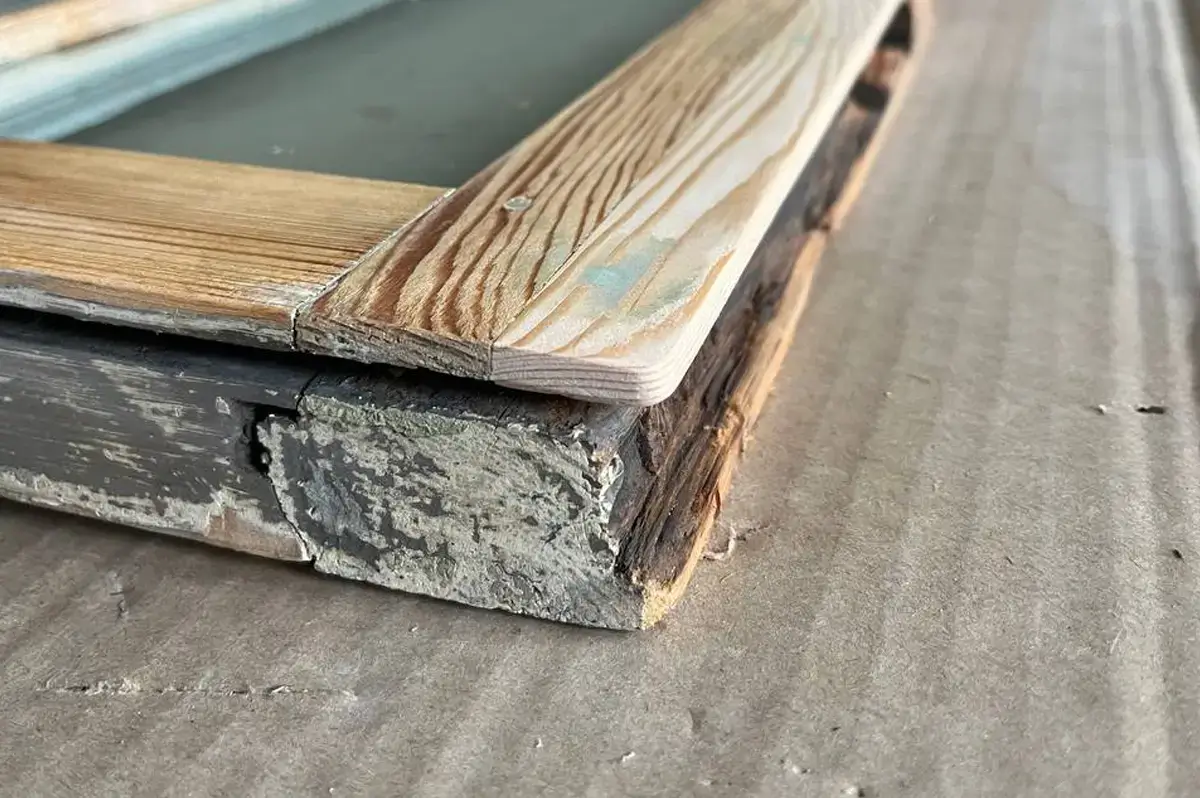
Wooden windows bring warmth, character, and elegance to a home, but their beauty depends on proper maintenance. When these windows are ignored, small issues escalate into costly structural problems, energy inefficiencies, and even safety hazards. Many homeowners underestimate how quickly wood can deteriorate, especially in climates with fluctuating humidity and temperature. Understanding the true cost of neglecting wooden window repairs can help you protect both your home and your wallet.
Why Wooden Windows Naturally Deteriorate Over Time
Wood is a natural, porous material. It expands, contracts, absorbs moisture, and reacts to UV exposure. Even high-quality wooden frames require consistent care to remain strong and functional.
Key factors that accelerate deterioration:
- Moisture absorption after rain or snow
- Temperature swings causing expansion and contraction
- Sun exposure that weakens finishes and dries out wood
- Improper ventilation leading to internal condensation
- Lack of protective coatings, allowing water to penetrate
Neglecting routine care gives these factors the opportunity to trigger deeper structural issues.
Early Problems Homeowners Often Ignore
Many homeowners overlook early warning signs, assuming they are insignificant or cosmetic. But these symptoms often signal the beginning of major deterioration.
1. Fading or peeling paint
This allows moisture to seep directly into the wood, accelerating rot.
2. Tiny cracks in the frame
These expand with seasonal movement.
3. Slight drafts or uneven temperatures
Air leaks often indicate shrinking or warped wood.
4. Sticky or tight-moving sashes
Usually caused by swelling wood or internal misalignment.
5. Minor discoloration or spots
Often the first sign of hidden moisture damage.
While these problems seem minor, untreated wood absorbs moisture quickly — and moisture is the root cause of most wooden window failures.
Short-Term Costs of Neglect
Neglecting wooden window maintenance affects your home almost immediately, even if you can’t see the damage yet.
1. Higher Energy Bills
Air leaks around deteriorating frames force your heating and cooling system to work harder.
Studies show up to 25–30% of a home’s energy loss comes through poorly maintained windows.
2. Moisture and Mold Formation
Water entering the frame can seep into walls, sills, and interior finishes. Mold remediation is expensive and hazardous to your health.
3. Reduced Indoor Comfort
Drafts, cold zones, and humidity problems become noticeable within a single season.
Long-Term Costs of Neglect
Ignoring wooden window issues for months — or years — leads to structural deterioration that costs exponentially more to fix.
1. Wood Rot
Once rot begins, it spreads inside the frame.
Depending on severity, repair costs vary from minor epoxy treatment to full sash reconstruction.
2. Full Window Replacement
When damage becomes too severe, replacement is the only option.
Wooden window replacement can cost hundreds or thousands per opening — significantly more than routine maintenance.
3. Damage Beyond the Window
Rot or moisture can spread to:
- window sills
- interior trim
- plaster or drywall
- exterior siding
- insulation
This can turn a simple window repair into a full structural restoration.
Impact on Home Value
Real estate professionals consistently note that neglected wooden windows:
- reduce curb appeal
- raise concerns during inspections
- give buyers leverage to demand price reductions
- decrease perceived home quality
On the other hand, well-maintained wooden windows enhance a home’s character and resale value — especially in regions with older or historic properties.
Cost Breakdown: Prevention vs Repair vs Replacement
Preventive Maintenance (Low Cost)
- Cleaning
- Repainting every few years
- Resealing
- Seasonal inspections
Typical cost: minimal, when done regularly.
Professional Repairs (Moderate Cost)
- Reglazing
- Minor rot removal
- Hardware repair
- Frame reinforcement
Typical cost: far cheaper than replacement.
Full Replacement (Highest Cost)
- New wooden windows
- Structural adjustments
- Installation and finishing
Often 5–10 times more expensive than early repairs.
Why Professional Maintenance Saves Money Long-Term
Professionals detect problems hidden beneath the surface — moisture pockets, internal rot, failing joints — long before a homeowner could notice them. They use high-grade materials and techniques that extend window lifespan by decades.
Benefits include:
- improved insulation
- lower energy bills
- restored structural integrity
- preservation of historical or architectural elements
- prevention of rot recurrence
When wooden windows are maintained properly, they can last 50–100 years or more.
What Homeowners Can Do Themselves — and What They Shouldn’t
✔ Safe DIY tasks:
- Cleaning
- Light lubrication
- Replacing simple weatherstripping
- Minor exterior caulking
✘ Tasks you should not attempt:
- Removing rot
- Full refinishing or stripping
- Reglazing glass
- Structural frame repairs
- Epoxy reconstruction
These repairs require skill, precision, and the right materials — incorrect DIY attempts often worsen damage and increase costs.
Signs You Need Immediate Professional Help
Call a specialist if you notice:
- soft or mushy wood
- peeling paint revealing bare wood
- visible mold or mildew
- persistent drafts
- water stains
- difficulty opening or closing sashes
- condensation inside glazing
- wood splitting or warping
Delaying repairs at this stage leads to exponential cost growth.
Conclusion
Neglecting wooden window repairs is far more expensive than maintaining them. Small issues quickly escalate into major structural problems, significantly increasing repair costs and impacting home comfort and value. With regular inspections, preventive maintenance, and timely professional care, homeowners can preserve the beauty, efficiency, and longevity of their wooden windows for decades.
Looking for tips on DIY vs. professional window repairs—which is right for you? Explore our guide to learn which window issues you can handle yourself and when to call a professional.
If your windows show signs of wear — drafts, swelling, discoloration, or early rot — addressing the problem now will save you from costly replacements later.
Related read: More on Repair Rotten Wooden Window Frames
Related read: Learn more about Common Wooden Window Problems and Fixes
Related read: Make Old Wooden Windows Energy Efficient
Related read: Find out Acoustic Partitions for Homes & Offices
Related read: Artan's guide to restore historic wooden windows
Related read: More on window energy ratings
Related read: Read our guide: replace your windows key signs & benefits