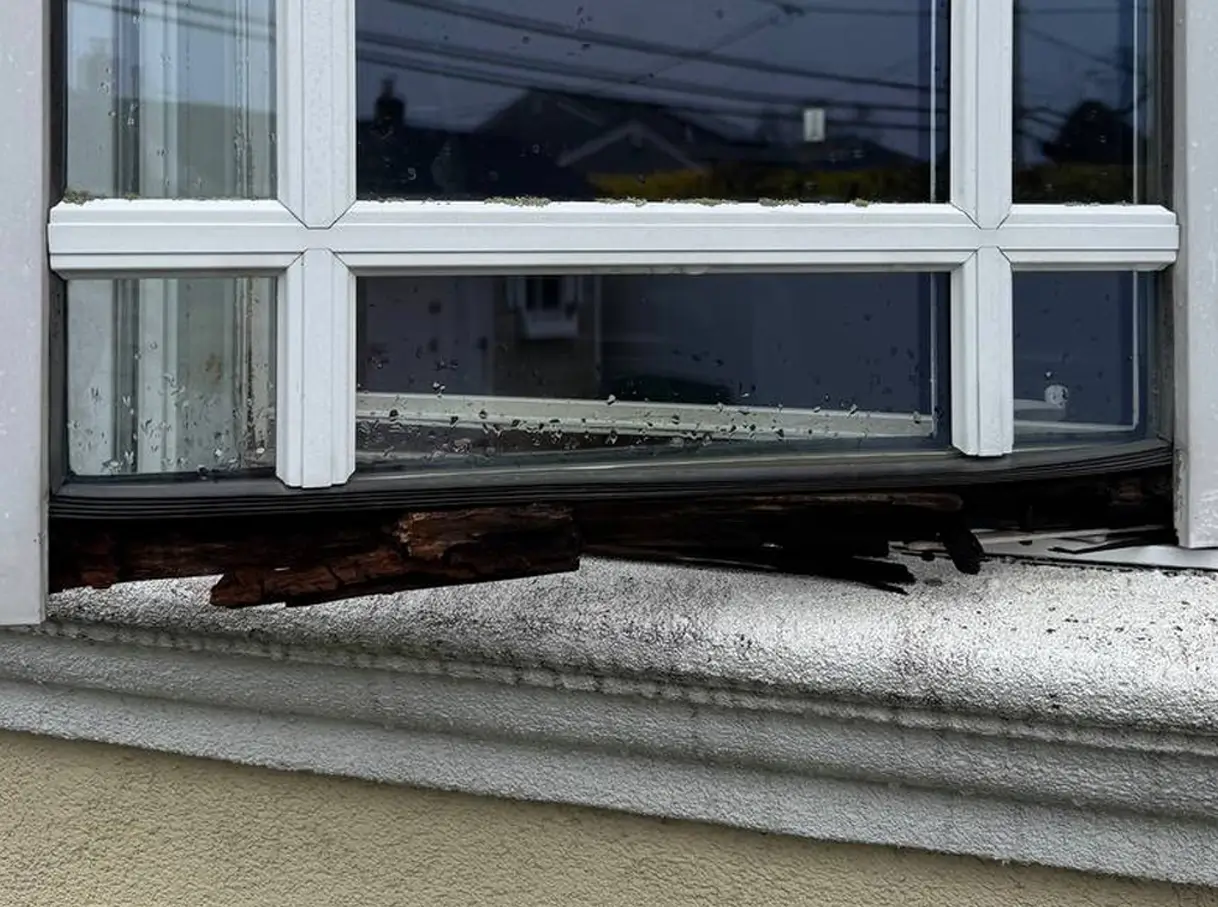
Wooden windows bring natural warmth, character, and long-term durability — but only when properly maintained. In humid and coastal regions, moisture becomes the biggest threat. Without consistent care, water can slowly penetrate the wood, leading to rot, swelling, mold, and structural damage. Understanding why moisture issues occur and how to prevent them is essential for preserving both the beauty and functionality of wooden windows.
This guide provides a complete, technical breakdown of how to protect your wooden windows from rot, reduce moisture exposure, and extend their service life for decades.
Understanding Wood Rot and Moisture Damage
What Causes Wood Rot?
Wood rot is the result of fungi that thrive in damp, oxygen-rich environments. When wood remains wet for extended periods, these microorganisms begin to break down its fibers, causing structural weakening.
The most common causes include:
- Poor drainage around the window
- Cracked paint or finish allowing water to enter
- Condensation buildup on interior glass
- Failed caulking or glazing
- Long-term exposure to humidity in bathrooms, kitchens, or coastal regions
- Water infiltration through small gaps in the frame or joints
Rot is progressive — the longer moisture remains, the faster the damage spreads.
Types of Wood Rot Found in Windows
Understanding the type of rot helps determine repair options:
- Soft Rot: Common in consistently damp environments; wood becomes soft and spongy
- Brown Rot: Wood shrinks and cracks in a “cubed” pattern.
- White Rot: Wood becomes stringy and fibrous with a bleached appearance.
Each type compromises structural strength and must be treated immediately.
Early Warning Signs of Moisture Damage
Moisture issues often start subtly. Early detection can save you from expensive repairs.
Look for:
- Discoloration or dark patches on the wood
- Bubbling or peeling paint
- Musty odors
- Condensation between glass panes
- Soft, crumbly, or spongy wood
- Warping or sticking sashes
- Mold growth around sills or corners
If you notice any of these signs, immediate corrective action is crucial.
High-Risk Areas in Wooden Windows
Moisture does not affect all areas of a window equally. Certain components are especially vulnerable, particularly in humid climates or near the coast.
Most common trouble spots include:
- Window sills: They collect water and receive the most exposure.
- Bottom rails: Moisture often settles here.
- Glazing edges: Where glass meets the frame.
- Joints and corners: Weak points where cracks often form.
- Exterior trim and casings: Constant exposure to rain and sunlight.
- Weep channels and drainage paths: If blocked, they retain water.
Inspecting these zones frequently reduces the risk of hidden rot developing.
Preventive Maintenance: Your First Line of Defense
Moisture prevention begins long before rot appears. Consistent seasonal care keeps wooden windows dry, stable, and protected.
Prevent Wood Rot in Wooden Windows
To prevent wood rot in wooden windows, homeowners need to control moisture before it penetrates the frame, sash, sill, or glazing area. Rot usually begins when water enters through cracked paint, failed caulking, damaged glazing putty, poor drainage, or long-term condensation. Once moisture stays inside the wood for too long, it creates the perfect environment for fungal growth and structural damage.
The best way to prevent wood rot is through regular inspection, proper sealing, breathable exterior finishes, clean drainage channels, and timely glazing maintenance. Small cracks, peeling paint, soft spots, or gaps around the glass should be addressed early before they turn into expensive repairs.
For homes in humid or coastal regions, professional wooden window maintenance is especially important. Artan Window Solutions helps homeowners prevent wood rot through expert sealing, reglazing, caulking, refinishing, sash repair, and full wooden window restoration services designed to protect original woodwork and extend the life of the windows.
Regular Cleaning and Inspection
Clean the frames and sills at least once per season using mild soap and water. This removes dirt and mildew that can trap moisture against the wood. During cleaning, inspect the frame carefully for cracks, paint failure, or soft spots.
Maintaining Proper Drainage Around Windows
In wet regions, effective drainage is critical.
Checklist:
- Ensure the exterior sill slopes downward, allowing water to run off.
- Keep drainage channels clear of debris.
- Prevent vegetation from touching or shading the window frame.
- Fix clogged or overflowing gutters near windows — they can soak exterior walls.
Poor drainage is the #1 cause of moisture accumulation in wooden frames.
Controlling Indoor Humidity
Moisture problems often originate inside the home.
Maintain indoor humidity between 35–50% to prevent condensation on glass — one of the biggest contributors to hidden wood rot.
Tips for better moisture control:
- Use bathroom and kitchen exhaust fans.
- Ventilate regularly, especially in winter.
- Avoid placing furniture too close to windows, restricting airflow.
- Use a dehumidifier in humid climates or basements.
Stable indoor humidity dramatically reduces long-term damage.
Protective Treatments and Coatings
Wood needs a strong protective barrier to resist rain, humidity, and UV exposure. The right coating system dramatically reduces moisture absorption and prolongs window lifespan.
Paints and Exterior-Grade Coatings
High-quality exterior paint forms a durable, weather-resistant shield.
Use:
- 100% acrylic paint
- UV-resistant formulas
- Multi-layer systems (primer + 2 coats)
Repaint every 3–5 years to maintain maximum protection.
Stains and Sealants for Natural Wood Finish
If you prefer a natural wood look, choose penetrating stains and clear sealants.
Benefits:
- Highlight wood grain
- Repel moisture
- Protect from sun damage
- Prevent cracking and splitting
Reapply sealants yearly in coastal areas or high-humidity climates.
Epoxy Wood Hardeners and Consolidants
For aging wood that’s beginning to soften, epoxy treatments can restore structural strength.
These products:
- Penetrate deep into the fibers
- Stop early rot
- Reinforce weakened areas
- Extend the life of older wooden windows
They’re especially useful during restoration projects.
The Importance of Caulking and Weatherstripping
Exterior Caulking
Proper caulking blocks water from seeping into vulnerable gaps around the frame.
Key areas to seal:
- Where the frame meets the siding
- Joints and seams
- Around exterior trim
- Gaps near sills or drip caps
Use a high-grade elastomeric or silicone caulk for maximum durability.
Interior Weatherstripping
Weatherstripping reduces drafts and prevents interior moisture from entering wood joints.
Best types for wooden windows:
- Adhesive foam strips
- Silicone bulb weatherstripping
- V-strip tension seals
- Felt weatherstripping (traditional option)
Replace worn-out weatherstripping each year to maintain energy efficiency and moisture control.
Glazing Maintenance and Moisture Prevention
Why Glazing Fails
Over time, glazing putty can dry out, crack, or separate from the wood — creating openings where water enters.
Warning signs:
- Cracked putty
- Loose or rattling panes
- Gaps between glass and frame
- Condensation forming inside the glazing area
Re-Glazing Older Windows
Re-glazing prevents moisture infiltration and restores energy performance.
Key steps include:
- Removing old putty
- Cleaning the rabbet
- Applying new glazing compound
- Repainting after curing
When done professionally, re-glazing can extend window life by 20+ years.
Ventilation and Condensation Control
Even perfectly sealed windows can rot if indoor condensation constantly drips onto the sash.
Ways to Minimize Condensation:
- Increase airflow around windows
- Install trickle vents
- Use insulating blinds or curtains with airflow space
- Keep blinds slightly open in winter to prevent moisture trapping
- Warm interior glass by improving insulation
Upgrading to Interior Storm Windows
For historic or original wooden windows, storm inserts are an excellent solution.
Benefits:
- Reduce cold drafts
- Prevent interior condensation
- Improve energy efficiency
- Protect original wood from exposure
They are one of the best upgrades for homes in humid or coastal regions.
Regular Maintenance Schedule for Long-Term Protection
Wood protection is not a one-time activity — it’s a seasonal cycle.
Here’s a simple yearly plan:
Spring
- Wash windows and check for winter moisture damage
- Touch up peeling paint
- Check sill slope and drainage paths
Summer
- Apply sealants or stains
- Inspect for UV damage
- Ensure caulk remains flexible
Fall
- Reapply weatherstripping
- Inspect glazing before cold weather
- Clear gutters to prevent wall saturation
Winter
- Monitor condensation
- Keep indoor humidity under control
- Remove snow buildup near windows
Following these steps prevents over 80% of rot-related window failures.
When Professional Help Is Necessary
Some moisture-related problems require expert care.
Seek professional wooden window repair if you notice:
- Structural rot in sills or rails
- Deep softening of the frame
- Mold spreading inside the wood
- Chronic condensation you cannot control
- Failed glazing on multiple panes
- Water infiltration during rain
A qualified restoration specialist can:
- Perform rot removal
- Install epoxy consolidants
- Replace damaged sections with matching wood
- Upgrade glazing and insulation
- Rebuild sills or muntins
- Refinish the entire window for protection
If you offer such services, here можно органично вставить ссылку:
Professional Wooden Window Repair and Restoration Services — ensuring long-term protection and authentic aesthetics.
Conclusion
Preventing wood rot and moisture damage starts with understanding how water infiltrates wooden windows — and then creating protective barriers through proper sealing, glazing, ventilation, and finishing. With consistent maintenance, wooden windows can last for generations while maintaining exceptional beauty and performance.
Whether your home is located in a humid coastal climate or experiences heavy seasonal rain, these strategies will help preserve your windows, improve energy efficiency, and prevent costly structural repairs.
For more on year-round window maintenance, explore our guide to seasonal cleaning, seal inspections, and hardware care to keep your windows working smoothly in every season.
Related read:Glass vs. Wood Partitions for Interiors: Which Is Right for Your Space?
Related read: Read about Make Old Wooden Windows Energy Efficient
Related read: Find out trends in modern window design
Related read: Tips on wood window repair signs it’s time to repair your windows