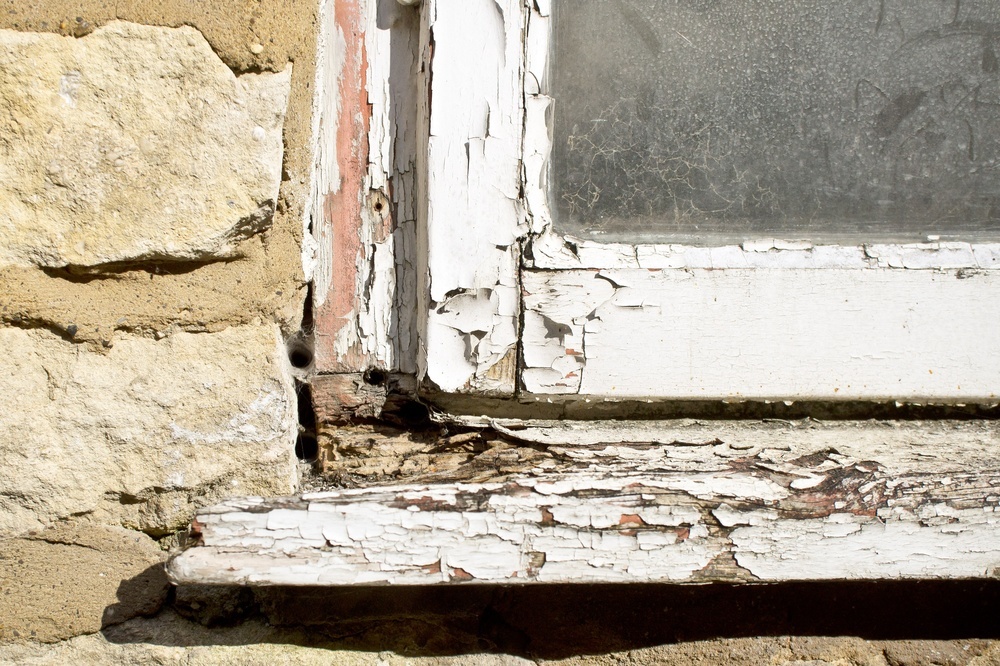
Windows are essential to a home's comfort, security, and energy efficiency. However, when wooden windows begin to rot, they not only lose their structural integrity but also negatively impact insulation and aesthetics. Rotten windows can lead to air leaks, water infiltration, and even pest infestations if left unaddressed.
Recognizing early signs of wood decay and taking timely action can save homeowners from costly full window replacements. This article explores the key signs of window rot, the risks of ignoring the issue, and the best repair solutions to restore wooden windows effectively.
Common Issues with Rotten Windows
Wooden windows are prone to deterioration over time, especially when exposed to moisture and fluctuating weather conditions. Some of the most common problems associated with rotting windows include:
- Soft or crumbling wood: The wood frame weakens, losing its ability to support the glass properly.
- Discoloration and mold growth: Black or dark spots indicate fungal growth due to excessive moisture.
- Air leaks and drafts: Rotten wood compromises the window's seal, reducing energy efficiency.
- Difficulty opening and closing: Warping caused by moisture absorption can misalign the window frame.
- Peeling paint and cracked wood: These are early signs that water has penetrated the protective layers of the wood.
Addressing these issues early can prevent further damage and extend the life of your windows.
Rotten Window Repair
Rotten window repair is the process of restoring damaged wooden window frames, sashes, and surrounding components affected by moisture, decay, or long-term weather exposure. In many cases, homeowners do not need to replace the entire window. If the damage is detected early, professional repair can restore the window’s strength, improve insulation, and preserve the original appearance of the home.
Rotten window repair may include removing decayed wood, treating the affected area with wood hardener, rebuilding missing sections with epoxy or matching wood, sealing gaps, replacing damaged glazing, and repainting the surface with a weather-resistant finish. These steps help stop the spread of rot and protect the window from future moisture damage.
Professional rotten window repair is especially important for older or historic wooden windows. Skilled craftsmen can preserve original details while improving the window’s performance, airtightness, and durability. Instead of installing modern replacement windows that may change the look of the property, repair allows homeowners to keep the character of the original woodwork.
ARTAN Window Solutions provides rotten window repair services for homeowners who want to restore their existing wooden windows instead of replacing them. Our team carefully inspects the damage, repairs weakened areas, improves sealing, and helps extend the lifespan of your windows for years to come.
Key Signs It’s Time to Repair Your Rotten Windows
If you notice any of the following signs, your windows likely need immediate attention:
1. Soft, Spongy, or Crumbling Wood
Wood that feels soft when pressed or crumbles easily is a clear sign of rot. Moisture exposure breaks down the fibers, weakening the frame and affecting the window’s stability.
Solution:
- Remove the damaged wood and apply wood hardener to strengthen the area.
- Use epoxy filler to restore the missing sections before sanding and repainting.
2. Mold, Mildew, or Fungal Growth
Dark spots, greenish mold, or fuzzy white patches indicate excessive moisture retention, which accelerates wood decay.
Solution:
- Clean the affected area with a mold-killing solution.
- Improve ventilation and apply a moisture-resistant sealant.
3. Air Leaks and Drafts
If you feel a draft even when the window is closed, rotting wood may have created gaps that allow air to pass through, leading to higher energy bills.
How to Detect Drafts:
- Hold a candle near the frame; if the flame flickers, air is seeping through.
- Check for visible cracks or separations in the wood.
Solution:
- Apply weatherstripping or caulking to seal gaps.
- Repair or replace the affected wood sections to restore insulation.
4. Difficulty in Window Operation
Swollen, warped, or decayed wood can make it difficult to open or close windows properly, posing safety risks and reducing functionality.
Solution:
- Sand down swollen areas and apply a waterproof sealant.
- Check and replace damaged or rusted hardware.
5. Peeling Paint and Exposed Wood
When paint peels away, the unprotected wood absorbs moisture, leading to decay. This is often the first visible sign of window deterioration.
Solution:
- Scrape off peeling paint and apply a new coat of weather-resistant paint.
- Use wood primer and a durable exterior-grade finish to prevent future damage.
6. Water Damage and Staining
Water stains or warping around the window frame indicate prolonged moisture exposure. Over time, this can lead to extensive rot and structural problems.
Solution:
- Identify and fix the source of moisture (e.g., leaking gutters or condensation).
- Dry the affected area and apply a wood preservative to prevent further rot.
The Risks of Delaying Rotten Window Repairs
Ignoring rotten windows can lead to:
- Structural failure: Extensive wood decay can make windows unsafe and unstable.
- Higher repair costs: The longer rot spreads, the more expensive the restoration process.
- Poor indoor air quality: Mold and mildew growth can cause respiratory issues.
- Increased energy bills: Air leaks force heating and cooling systems to work harder, raising utility costs.
Benefits of Repairing Rotten Windows
Timely repairs offer numerous advantages:
- Restored structural integrity: Reinforcing the wooden frame extends the life of your windows.
- Improved energy efficiency: Sealing gaps and cracks enhances insulation.
- Enhanced aesthetics: Repainting and refinishing improve the window’s appearance.
- Increased home value: Well-maintained windows boost curb appeal and property value.
Consulting a Professional
While some minor window repairs can be handled with DIY methods, severe rot often requires professional expertise. A specialist can:
- Accurately assess the extent of the damage.
- Use high-quality materials for long-lasting repairs.
- Ensure proper sealing and insulation for maximum efficiency.
Conclusion
Recognizing the early signs of wood rot and taking action can prevent costly window replacements and structural issues. By addressing damage promptly, you can restore the strength, appearance, and functionality of your wooden windows.
If you suspect your windows are rotting, consult a professional to assess the situation and recommend the best repair solution. Investing in timely repairs ensures a comfortable, energy-efficient, and beautiful home for years to come.
Related read: Read about Historic Window & Door Restoration
Related read: Read our guide: Repair Rotten Wooden Window Frames
Related read: Tips on It’s Time to Replace your Windows and Upgrade your Home
Related read: Signs your windows need repair or replacementм guide
Related read: Window repair vs. replacement how to make the right choice
Related read: Read about wood window repair signs it’s time to repair your windows