Excellent Customer Service
We do our best to make sure our clients receive an exceptional experience with us
Window mechanism repair services for failed locks, balances, cranks, and sliding hardware. We restore smooth operation, secure locking, and proper alignment without full window replacement.
Get a FREE quote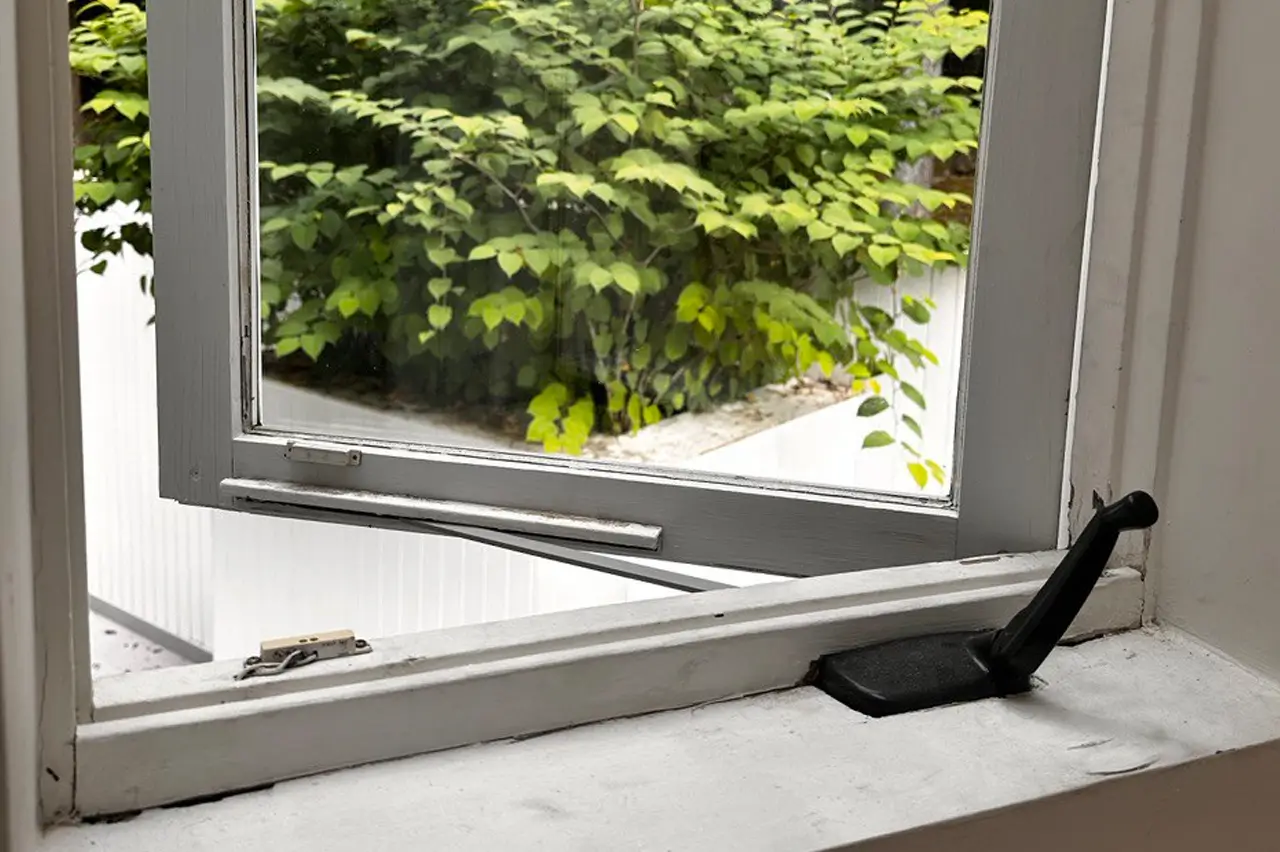
Window mechanism repair is often the right solution when the unit itself is still in good condition but the internal moving parts stop working properly. In many U.S. homes, problems like sashes that won’t stay open, locks that won’t engage, cranks that stop turning, or sliding panels that bind are usually caused by failed balances, worn operators, damaged rollers, or misaligned hardware — not by the entire frame needing replacement. A targeted fix restores function, improves safety, and helps extend the life of the whole system.
Homeowners often assume that once something starts sticking or refusing to close correctly, full replacement is the only option. In reality, that is rarely the case. Most operating issues come from mechanical wear. With proper service, it is often possible to restore smooth movement without removing the full unit. This matters even more in climates across the U.S., where heat, cold, humidity, and seasonal movement put constant stress on hardware and moving components.
Another common concern is security. A unit that does not lock or close fully is not just inconvenient — it can affect insulation, increase energy loss, and reduce the overall safety of the home.
Request a professional evaluation and find out whether your unit can be fixed without full replacement
Not all operating problems come from the same source. Some units have worn balances, others develop crank failure, while some have rollers, locks, or tilt systems that no longer function correctly.
Typical service options include:
In many homes, home window mechanism repair is the most practical answer when the glass and frame are still sound but the hardware no longer performs the way it should.
Explore the right solution based on the way the unit is failing
A proper repair starts with identifying which component is causing the failure. Guessing often leads to temporary fixes and repeat service calls.
Inspection
We check how the unit opens, closes, locks, tilts, or slides, and identify the exact hardware issue affecting performance.
Diagnosis
The problem may come from worn internal parts, damaged tracks, loose hinges, failed cranks, or multiple related issues working together.
Repair or component replacement
The damaged mechanism is repaired or replaced using compatible parts that restore normal operation.
Testing and adjustment
Once the work is complete, the unit is tested for smooth movement, proper closure, and reliable locking.
Across the U.S., changing temperatures and humidity levels often affect how these systems move and seal. That is why a durable solution has to address both the damaged hardware and the alignment around it.
Schedule service built around the actual source of the problem, not trial-and-error fixes
One of the first things homeowners ask is price. The cost of window mechanism repair near me depends on the type of unit, the part that failed, and whether the issue is isolated or connected to related wear.
Main cost factors include:
In many cases, restoring the mechanism is far more affordable than replacing the full assembly. If the frame, sash, and glass are still in good condition, fixing the hardware usually makes more financial sense.
Get a clear estimate based on the exact mechanism and condition of the unit
From a repair standpoint, small mechanical issues tend to get worse with time. A crank that feels stiff today can strip out later. A balance that starts slipping can put extra stress on the sash. A lock that does not line up properly can eventually affect sealing, insulation, and even frame wear.
We often see homeowners delay service because the unit is still “mostly working.” The problem is that forcing a failing system open or closed usually causes more damage. In many cases, a timely window mechanism repair prevents the need for broader work later.
Another important point is that not all replacements are better than what is already in the home. If the main structure is still solid, restoring the moving parts is often the smarter long-term choice.
Talk to a specialist before a minor mechanism issue turns into a much bigger repair
Related read: Window Mechanism Repair near Brooklyn
Related read: Artan's window mechanism repair services in Hamptons
Related read: Window Mechanism Repair services in Manhattan
Related read: Window Mechanism Repair near Nassau County
Related read: Professional window mechanism repair in New Jersey
Related read: Window Mechanism Repair near Suffolk County
We specialize in comprehensive window mechanism repair services, including fixing faulty hinges, locks, cranks, balances, tracks, and rollers. Whether your window won’t open, is stuck, or has a broken locking system, our expert technicians can restore its functionality.
Common signs that your window mechanism needs repair include difficulty opening or closing, loose or broken handles, windows that won’t stay open, or excessive noise when operating. Our window repair specialists diagnose and fix these issues to restore smooth operation.
Yes! A properly functioning window mechanism ensures a secure lock, preventing unauthorized access. Additionally, well-sealed windows reduce air leaks, improving insulation and lowering energy bills. Our comprehensive window mechanism repair services enhance both security and energy efficiency.
We provide professional window mechanism repair for casement, sliding, double-hung, bay, tilt-and-turn, and skylight windows. Our window repair services cover both residential and commercial properties, ensuring every window operates smoothly.
With years of experience in comprehensive window mechanism repair, we offer high-quality solutions using durable parts and expert craftsmanship. Our team ensures quick, efficient repairs to extend the life of your windows and improve your home’s comfort and security. For expert window mechanism repair services, contact us today to schedule an appointment!
The most common causes are wear over time, moisture exposure, dirt buildup, misalignment, and repeated stress from seasonal expansion and contraction.
Yes. In many cases, window mechanism repair restores normal operation without the need for full replacement.
Yes. Older systems often have durable frames and glass, which makes hardware restoration a practical option.
Common signs include difficulty opening or closing, units that won’t stay up, cranks that stop working, locks that don’t engage, or sliding sections that bind.
Usually, yes. If the frame and sash are still in good shape, repairing the operating parts is often the more cost-effective solution.
At Artan Window Solutions, we guarantee quality and provide a warranty on our work.
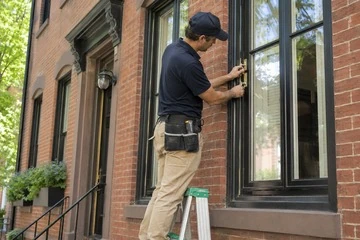
Professional window mechanism repair services in Brooklyn, NY by Artan Window Solutions. We repair window balances, crank operators, hinges, rollers, locks, and historic window hardware for residential and commercial properties.
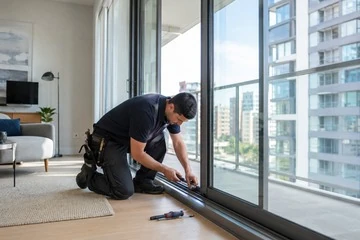
Professional window mechanism repair services in the Hamptons, NY by Artan Window Solutions. We repair window balances, crank operators, hinges, rollers, locks, and historic window hardware in luxury homes and waterfront properties.
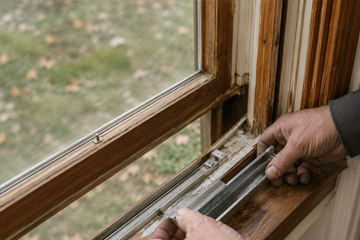
Professional window mechanism repair services in Manhattan, NY by Artan Window Solutions. We repair window balances, crank operators, hinges, rollers, locks, and historic window hardware for residential and commercial properties.
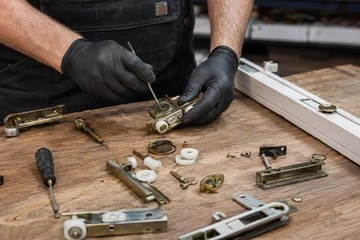
Professional window mechanism repair services in Nassau County, NY by Artan Window Solutions. We repair window balances, crank operators, hinges, rollers, locks, and historic window hardware for residential and commercial properties.
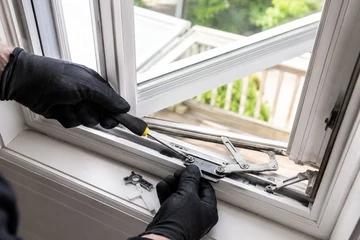
Professional window mechanism repair services in New Jersey, NJ by Artan Window Solutions. We repair window balances, crank operators, hinges, rollers, locks, and historic window hardware throughout NJ homes and commercial properties.
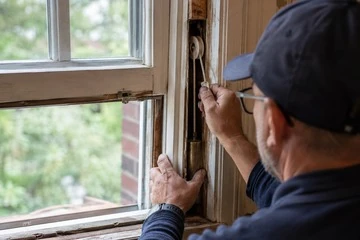
Professional window mechanism repair services in Suffolk County, NY by Artan Window Solutions. We repair window balances, crank operators, hinges, rollers, locks, and historic window hardware throughout Long Island and the Hamptons.
If you need services for window glass replacement, high-quality and prompt restoration of transparency and energy efficiency of windows, entrust the work to ARTAN Window Solutions specialists! You can contact us using these contacts and addresses and our specialist will estimate the condition of your windows, will take measurements and prepare a cost calculation right at your home!
If you need high-quality restoration of wooden windows or repairing rotten wood window frames, we will do everything to make you satisfied with the result! Here are our benefits
If you need high-quality restoration of wooden windows or repairing rotten wood window frames, we will do everything to make you satisfied with the result! Here are our benefits
We do our best to make sure our clients receive an exceptional experience with us
With over 8 years of experience, we know how to get the job done right.
We are committed to offering our services to customers at a fair and honest price.
At ARTAN Window works, we guarantee quality and provide a warranty on our work.
























Need window repair, glass replacement, or wood window restoration? Contact our team to discuss your project and schedule an assessment.
3199 Lawson blvd, suite A, Oceanside, NY 11572
PHONE: 516-261-6316
Mon to Fr - 08 AM to 06 PM
Saturday - 10 AM to 03 PM
Sunday - 10 AM to 03 PM