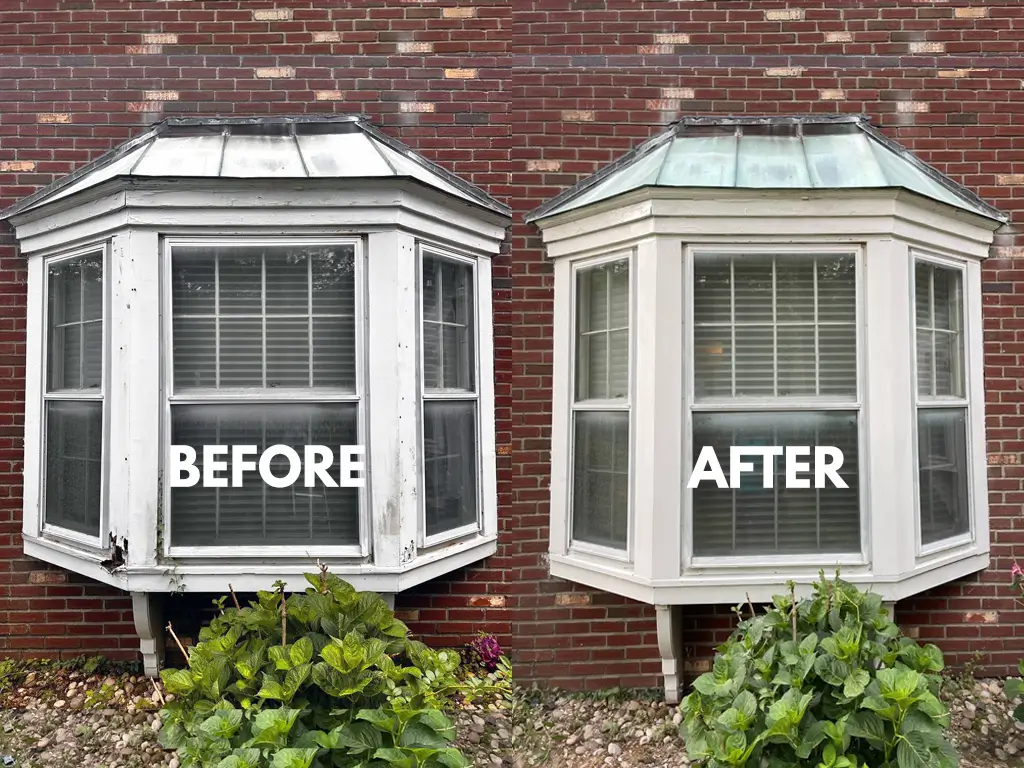
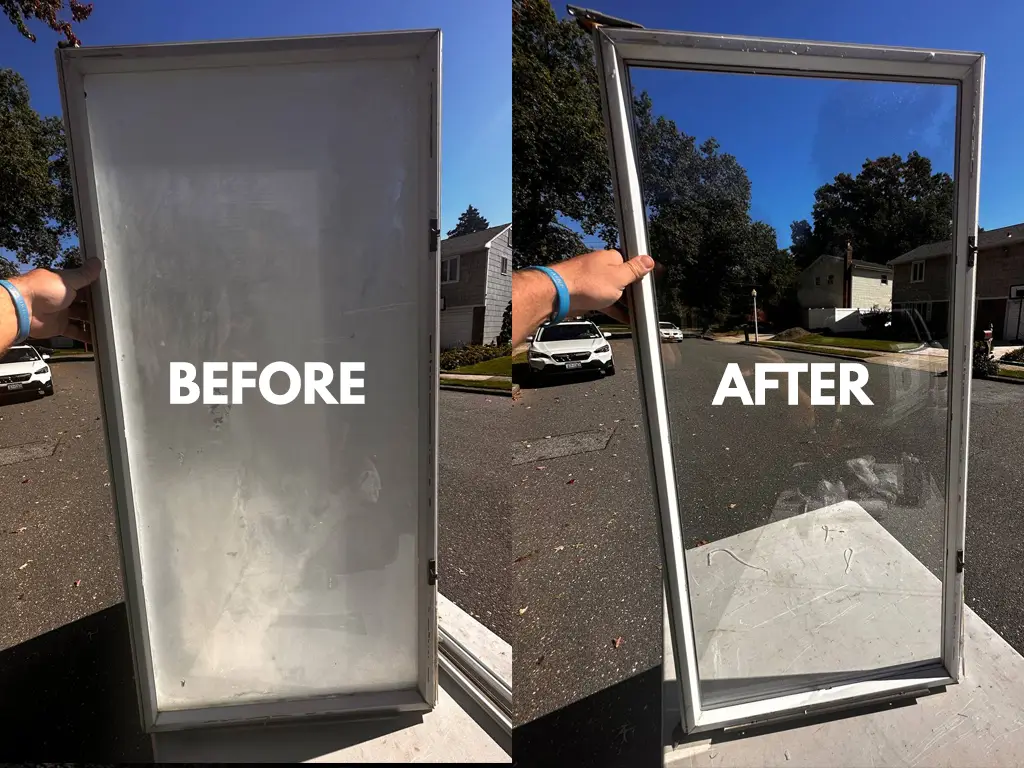
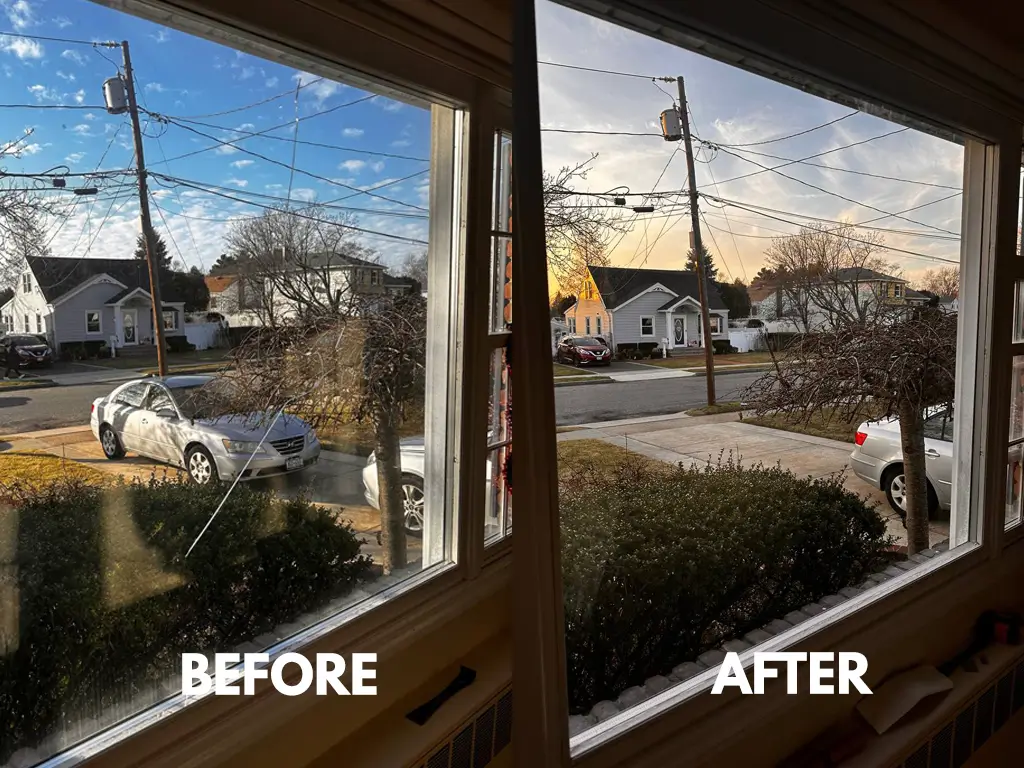
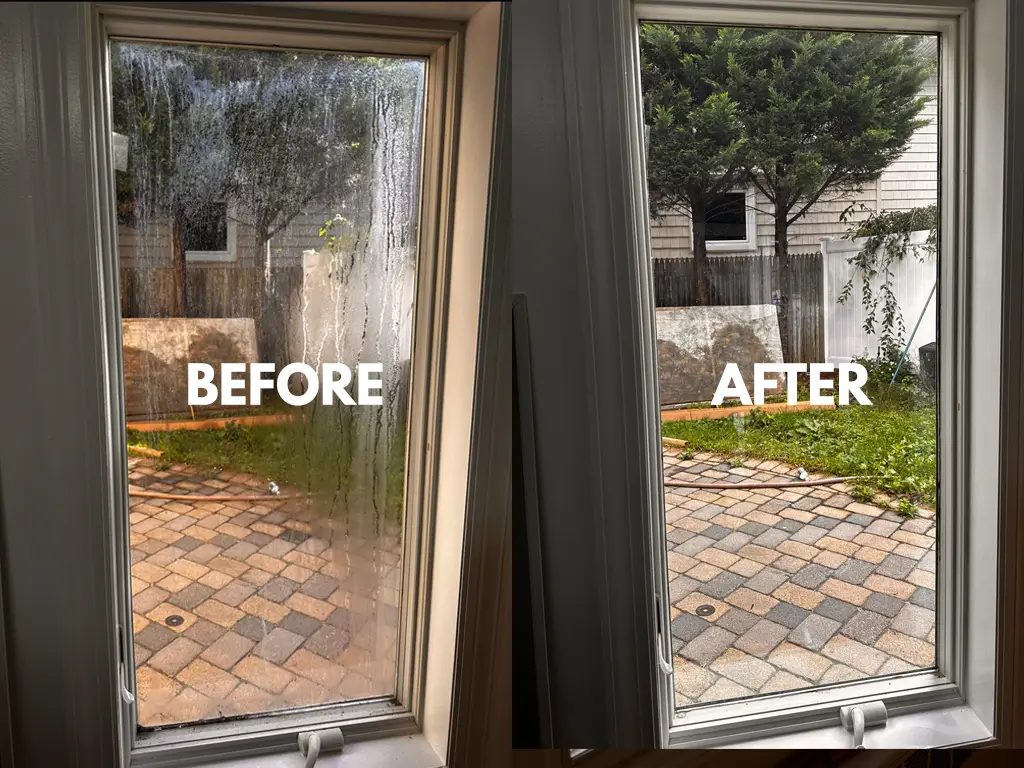
In Manhattan, most residential buildings still rely on original wood windows installed 60 to 100 years ago. In pre-war apartments, brownstones, and co-op buildings, these systems were built from dense old-growth timber, mechanical sash hardware, and traditional glazing methods that modern contractors often do not understand. Repairing original wood assemblies in Manhattan is not general handyman work. It is a specialized trade that requires understanding material movement, moisture damage, and historic window mechanics.
For property owners dealing with sticking sashes, drafts, rot, or broken hardware, professional wood window repair often makes far more sense than replacement.
Why Wood Windows Need Repair
Most window problems in Manhattan come from age, climate, and decades of layered maintenance.
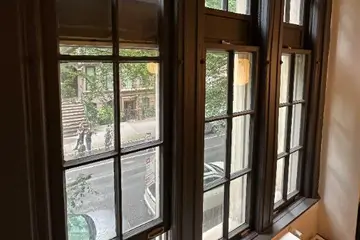
Many pre-war buildings still use original double-hung systems with pulley and cord mechanics installed nearly a century ago. Over time, these assemblies begin showing the same patterns of wear.
The most common causes include:
- Heavy paint buildup blocking movement inside the frame
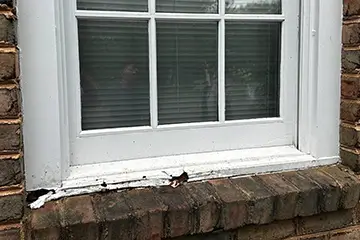
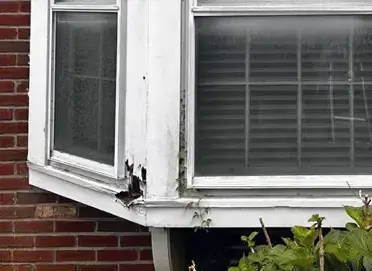
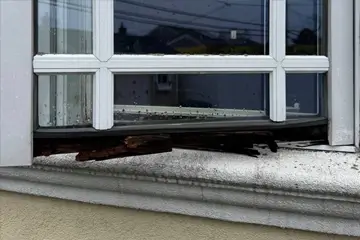
- Moisture collecting near the lower sill during winter
- Old putty drying and separating from the glazing
- Seasonal expansion causing frame deformation
- Subway vibration loosening joints and hardware
- Failed weatherstrip creating cold drafts
In neighborhoods like Harlem and Upper West Side, many original assemblies still use pulley and balance systems installed 80 to 100 years ago.
This is why wooden window repair in Manhattan requires experience with historic materials, not vinyl replacement systems.
Wood Window Repair Services
We provide wood window repairs for the issues most commonly found in Manhattan buildings.
Our service includes:
- Repair and rebuilding of damaged wood frame sections
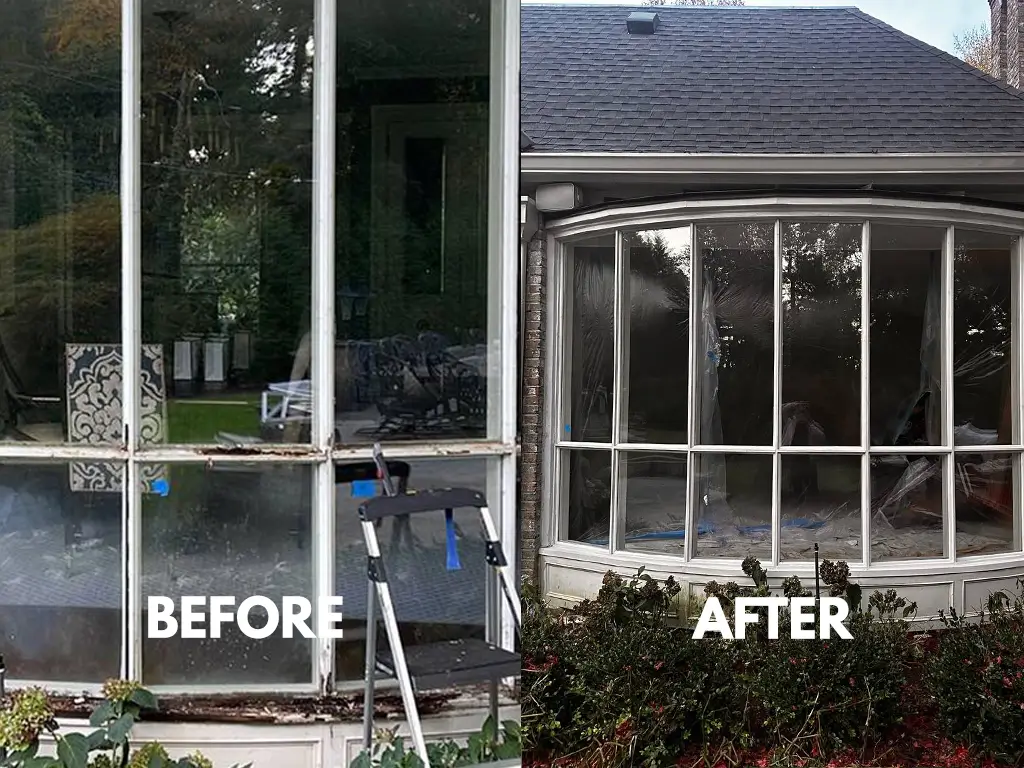
- Restoration of rotted lower sill areas without full replacement
- Releasing and adjusting painted-shut sash assemblies
- Replacing broken cord systems in weight-and-pulley windows
- Repairing or replacing worn balance systems
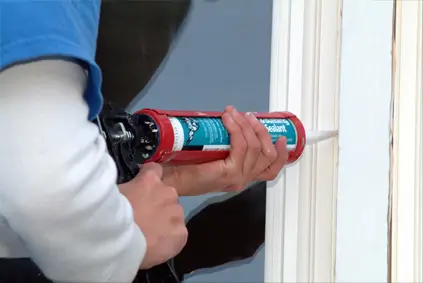
- Installing new weatherstrip to reduce drafts
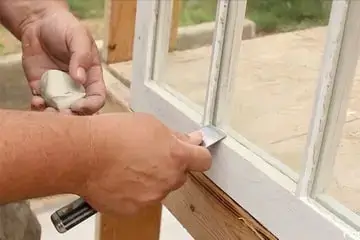
- Restoring glazing and replacing failed putty
- Spot repair of moisture damage using epoxy, primer, and structural fillers
Each repair is designed to preserve as much original material as possible.
Repairing Wood Windows
In Manhattan apartments, the same problems appear again and again.
We regularly fix:
- Stuck sash systems blocked by decades of paint layers
- Lower frame rot caused by chronic condensation
- Broken suspension cords that prevent the sash from staying open
- Air leaks caused by worn weatherstrip and frame deformation
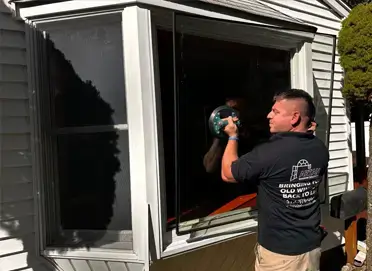
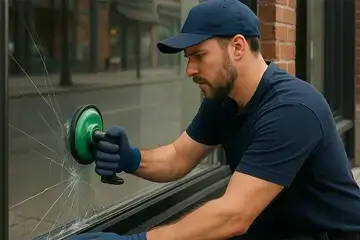
- Cracked or loose glass in original pre-war openings
- Failed glazing where old putty has separated from the pane
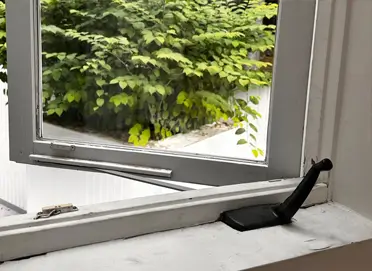
- Hardware that no longer locks, balances, or aligns correctly
Many owners assume these problems require replacement. In reality, repair wooden windows is often enough when the core structure is still stable.
How We Repair Windows
Our repairing wooden windows process follows a clear sequence.
1. Inspection
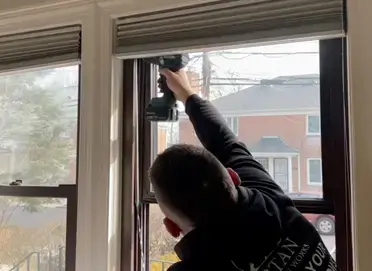
A carpenter inspects the sash, sill, hardware, glazing condition, moisture exposure, and structural movement.
2. Scope of work
We determine which parts need restoration, rebuilding, or adjustment while preserving original materials whenever possible.
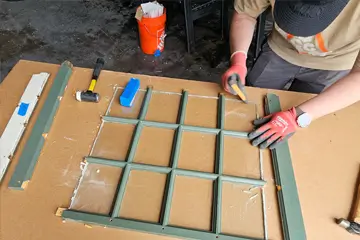
3. Structural repair
Using tools like a scraper, chisel, and planer, damaged sections are cleaned, stabilized, and rebuilt.
4. Surface restoration
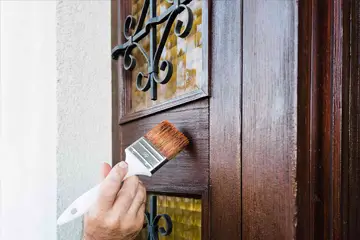
The repaired area is sealed with epoxy, primed, and finished with protective varnish where needed.
5. Final testing
We check movement, draft resistance, locking function, and overall operation.
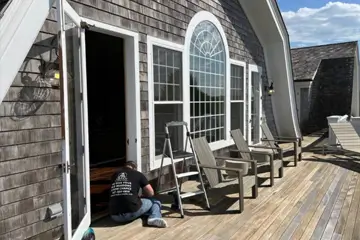
Our contractor works throughout Manhattan and coordinates with building management when co-op access or insurance documentation is required.
Every estimate is free.
Manhattan Buildings We Work With
We specialize in original wood assemblies across the building types that define Manhattan.
On the Upper West Side and Upper East Side, many pre-war co-op buildings still use original sash systems built from dense hardwood and traditional joinery.
In brick buildings across Harlem and West Village, original assemblies often suffer from vibration, seasonal movement, and moisture damage.
In historic districts like Tribeca and West Village, repair is often the only practical option without approval from the New York City Landmarks Preservation Commission.
In co-op properties, we also coordinate directly with management and maintenance staff before work begins.
Related read: Wood Door Restoration near Manhattan
Related read: Professional window glass replacement in Manhattan
Related read: Learn more about storefront window installation in Manhattan
Related read: Wood Rot Repair services in Manhattan
Related read: Window Reglazing services in Manhattan
Related read: Window soundproofing experts in Manhattan
Related read: Wood Window Repair near Brooklyn
Related read: Wood Window Repair near Hamptons
Related read: Trusted wood window repair in Nassau County
Related read: New Jersey wood window repair services
Related read: Wood window repair for homes in Suffolk County