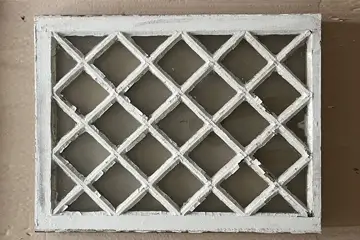
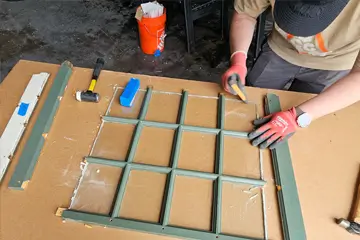
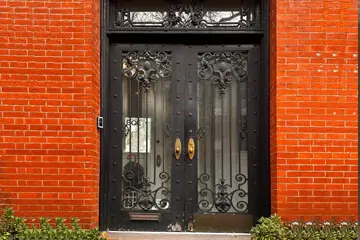
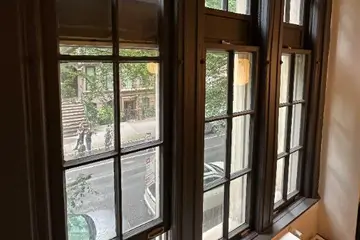
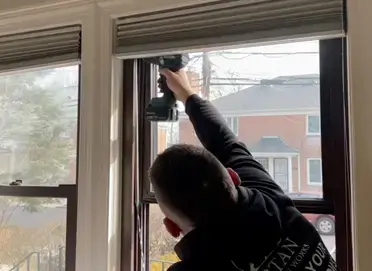
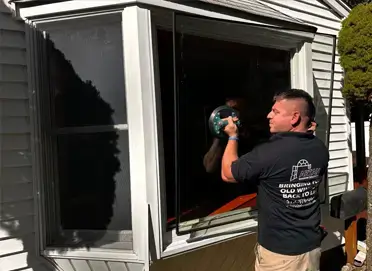
In Manhattan, double-hung systems are still standard in most pre-war apartments, brownstones, and co-op buildings. Many of these original assemblies are already 60 to 100 years old, and movement problems usually begin with aging wood, heavy paint buildup, and worn mechanical components hidden inside the frame. When one section stops moving, drops under its own weight, or creates a cold draft, it usually means the lifting mechanism needs service rather than full replacement.
For buildings across Manhattan, window sash repair is a specialized service that requires understanding original hardware, balance systems, and historic wood construction.
Why Sash Windows Need Repair
Most pre-war buildings in Manhattan still use original double-hung assemblies with pulley and weight systems installed decades ago. In many apartments, those components have been working for 80 years or longer without a full rebuild.
Over time, the most common causes of failure include:
- Thick paint buildup blocking movement inside the channel
- Worn cord systems no longer supporting the moving panel
- Damaged pulley hardware creating uneven movement
- Loose parting bead or stop bead affecting alignment
- Seasonal expansion changing the geometry of the wood frame
- Subway vibration loosening glazing, putty, and structural joints
In neighborhoods like Harlem, where many original frames are still in service, these issues are one of the main reasons people search for manhattan window repair or window repair manhattan ny.
Sash Window Repair in Apartments
We regularly handle sash window repair issues in Manhattan apartments where the original mechanism is no longer operating correctly.
Common problems include:
- Lower moving panel stuck because of decades of layered paint
- Broken suspension cord inside the weight pocket
- Failed spring balance or friction balance in updated assemblies
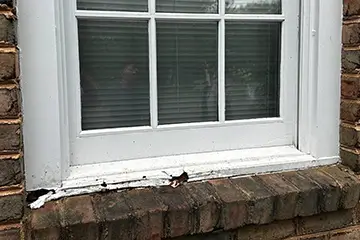
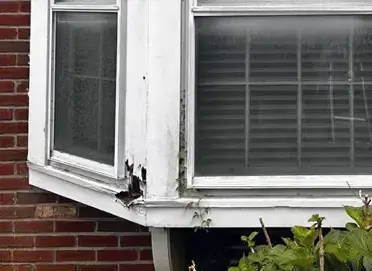
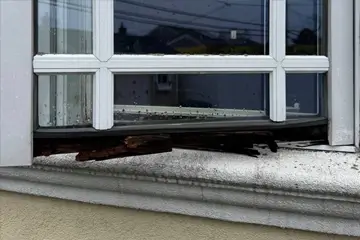
- Cracked wood around the rail, stile, or jamb
- Missing weatherstrip causing winter drafts
- Loose glazing or dried putty around older glass
- Damaged muntin sections in decorative upper panels
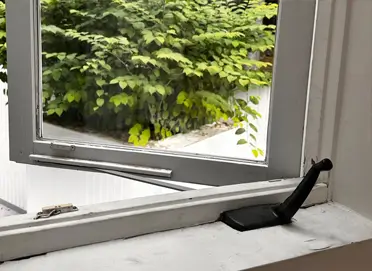
- Worn tilt-latch hardware in later systems
Many of these problems look severe, but in most cases the original assembly can still be restored.
How We Repair Sash Windows
Our repairing sash windows process follows a structured sequence.
1. Inspection
We inspect the moving panels, sill, channel condition, glazing, balance system, and wood frame stability.
2. Safe release
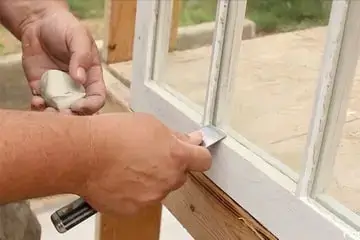
If the assembly is painted shut or jammed, we carefully release movement without damaging surrounding trim or interior finishes.
3. Hardware restoration
Worn cords, pulleys, weatherstrip, balance components, or structural wood sections are repaired or rebuilt.
4. Adjustment
The system is reassembled, balanced, and aligned for smooth movement and proper sealing.
5. Final testing
We test movement pressure, lock function, draft resistance, and overall mechanical performance.
Whenever possible, original materials and historic mechanics are preserved. This is especially important in landmark properties regulated by the New York City Landmarks Preservation Commission.
Manhattan Buildings We Work With
We work with the building types that define Manhattan.
On the Upper West Side and Upper East Side, many co-op buildings still have original double-hung assemblies with aging weight pockets and pulley systems.
In Harlem brownstones, broken lift cords are common because many original mechanisms have been operating for generations.
In landmark districts like West Village and Tribeca, restoring the original frame is often the only practical option without exterior approval.
In co-op properties, we also coordinate directly with building management and maintenance staff when access rules apply.
Sash Repair vs Replacement
Not every moving frame needs replacement.
Repair is usually the right option when:
- The wood frame still holds its geometry
- Surface cracking is localized
- Movement problems come from hardware failure
- Minor moisture exposure has not affected structural strength
Replacement may be necessary when:
- The assembly is severely warped
- Structural decay affects multiple joints
- Previous repairs have compromised alignment
- Glass support or frame connections have failed completely
In landmark Manhattan buildings, repair is almost always the first option because preservation requirements favor original materials.
Related read: Manhattan historic window restoration
Related read: Professional foggy glass replacement in Manhattan
Related read: Learn more about wood rot repair in Manhattan
Related read: Learn more about window sash repair in Brooklyn
Related read: Learn more about window sash repair in Hamptons
Related read: Nassau County window sash repair
Related read: New Jersey window sash repair services
Related read: Professional window sash repair in Suffolk County
Related read: Window mechanism repair experts in Manhattan
Related read: Manhattan window reglazing services
Related read: Window Restoration near Manhattan
Related read: Window Soundproofing company in Manhattan