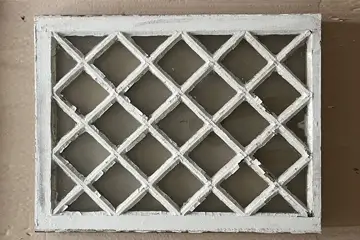
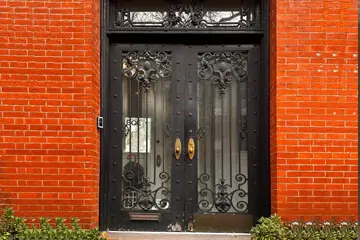
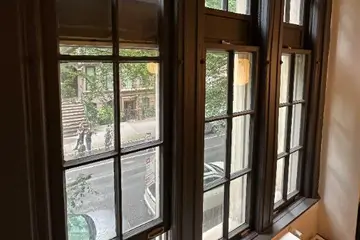
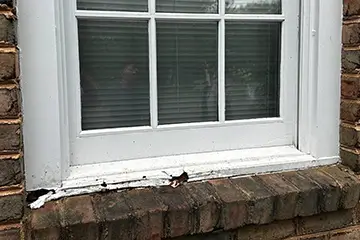
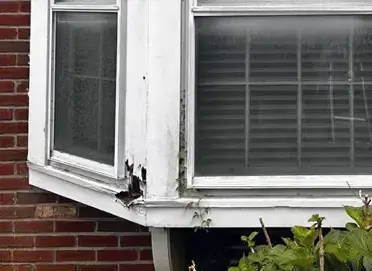
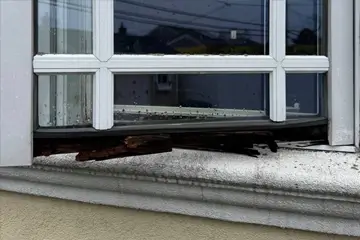
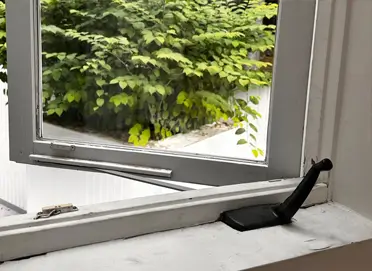
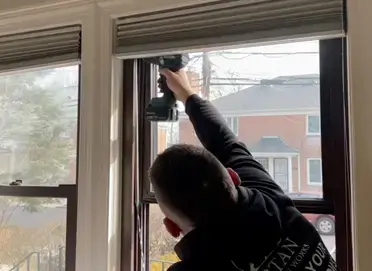
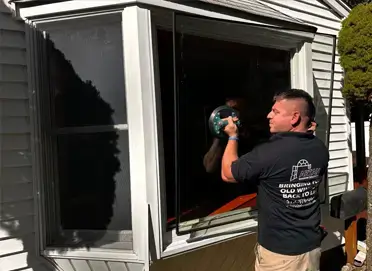
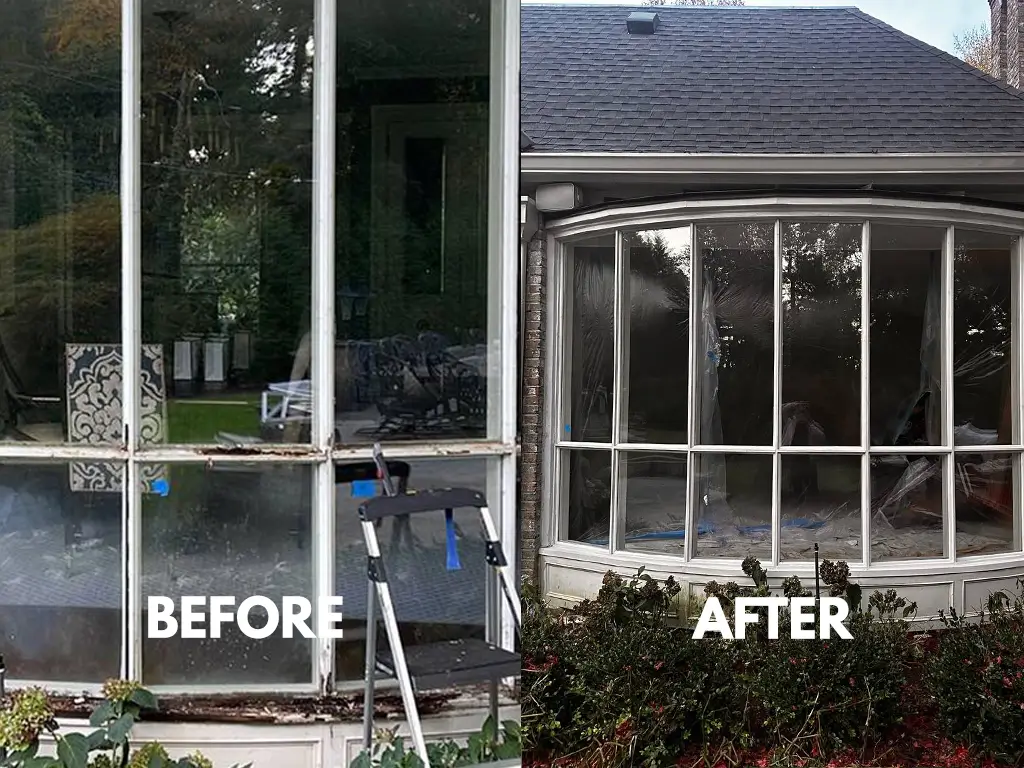
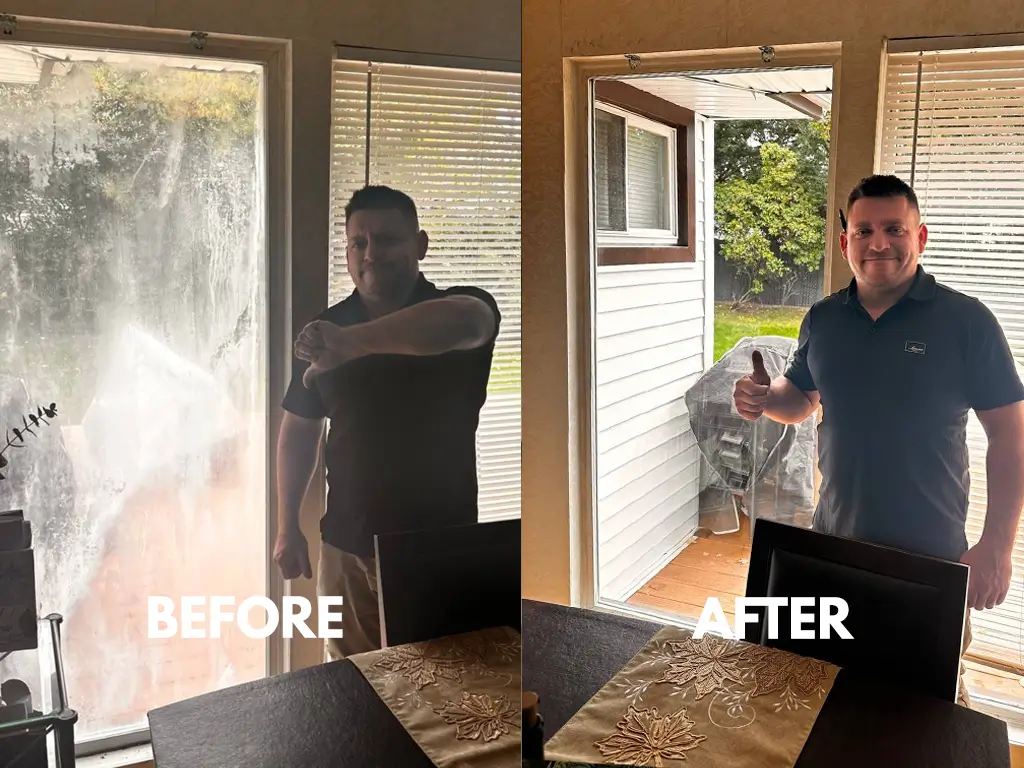
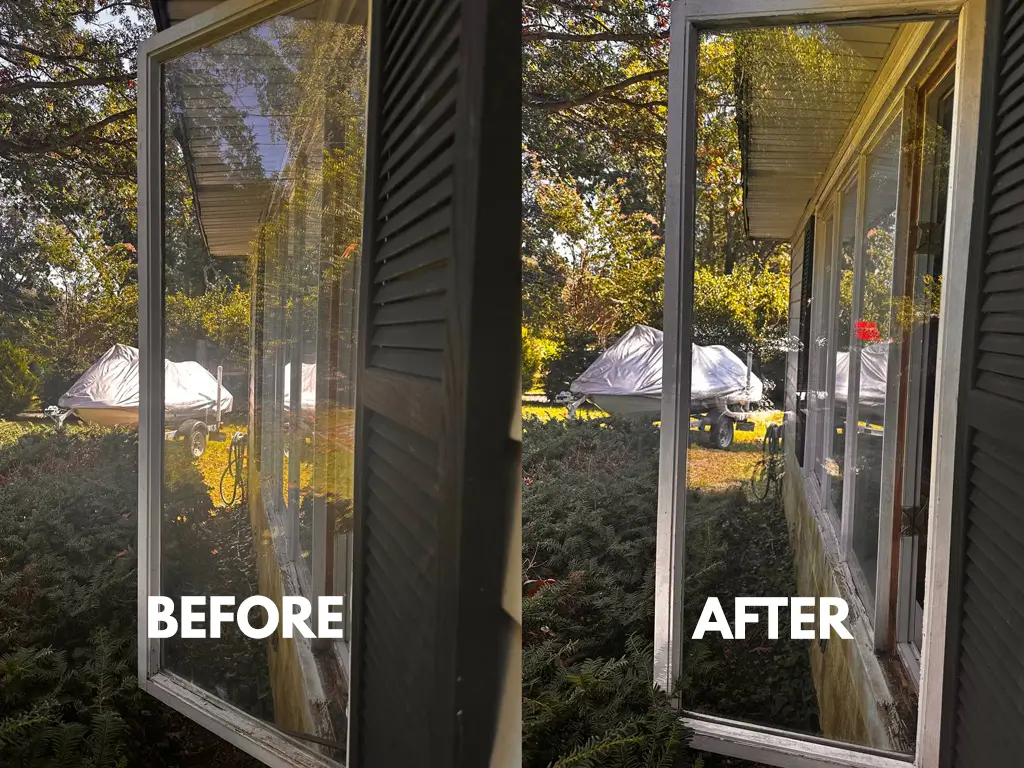
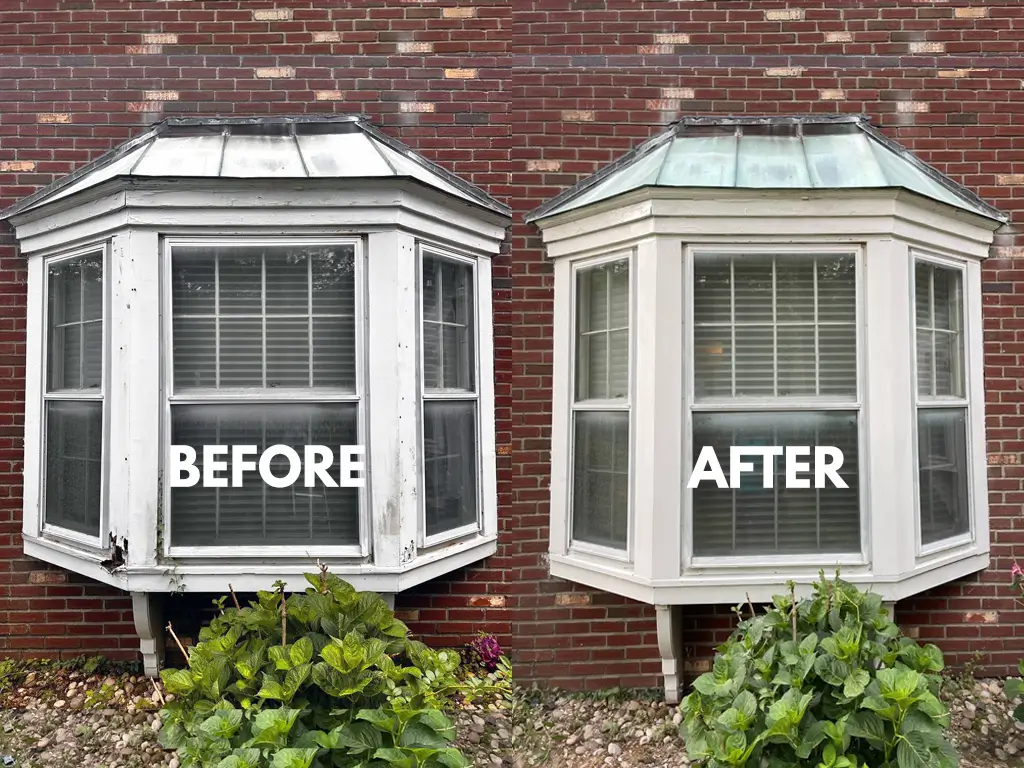
In Manhattan, original window frames, sills, sash systems, and entry assemblies often have one thing in common. Most of them are 60 to 100 years old. In brownstones, pre-war apartments, and landmark buildings, moisture damage inside timber components is not rare. Winter condensation, street-level humidity, and years without proper sealing make internal decay a predictable part of owning an older Manhattan property.
What looks like cracked paint or a soft corner near a sill often means deeper structural damage has already started.
Why Wood Rot Is Common
Most Manhattan residential buildings were constructed before the 1940s. That means original exterior wood has already survived decades of freeze-thaw cycles, summer humidity, rain exposure, and trapped moisture.
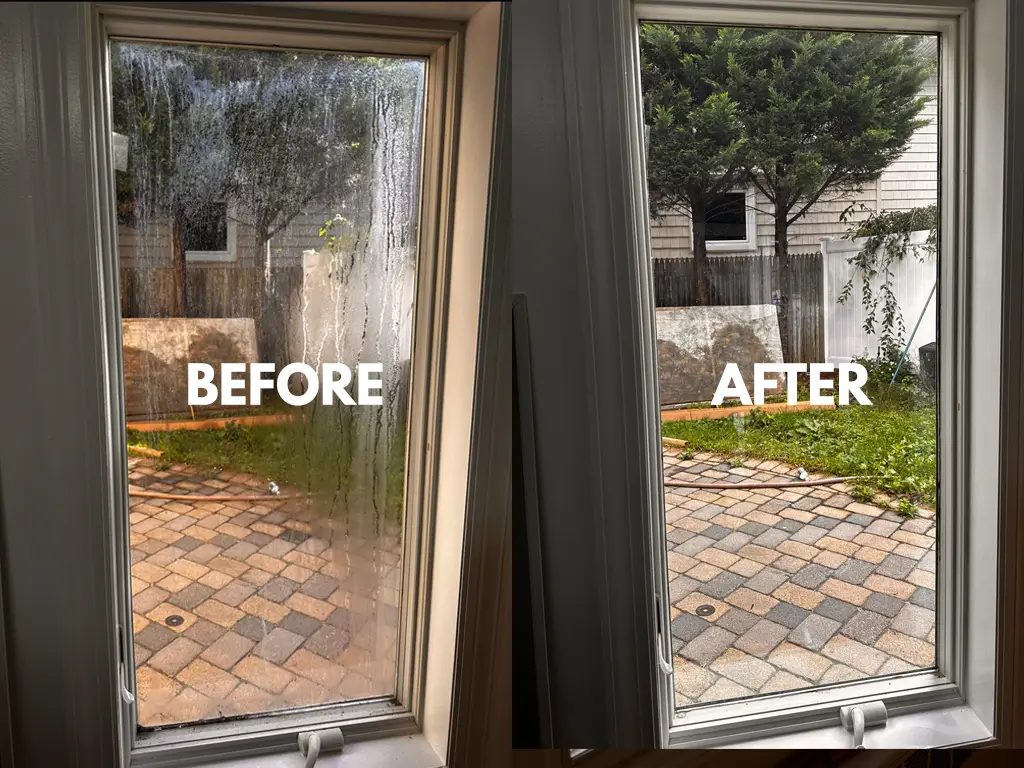
In many apartments, condensation forms on glass during winter and slowly collects around the lower sill. When paint cracks or old caulk fails, water begins entering exposed fibers. Over time, fungus develops inside the material and structural decay spreads beneath the surface.
In neighborhoods like Harlem and West Village, the most vulnerable areas are often close to street level where frames experience:
- Rain exposure from exterior masonry walls
- Poor ventilation near original trim
- Repeated humidity buildup during seasonal changes
- Failed seal lines around glazing edges
- Water damage near window corners and sill joints
Ignoring early signs usually leads to deeper structural damage. What starts as minor surface repair often turns into a much larger wood rot repair project.
Repairing Wood Rot in Windows and Doors
In most cases, full replacement is not necessary. Localized restoration often saves the original material, which matters especially in landmark properties where visible exterior changes may require approval from the New York City Landmarks Preservation Commission.
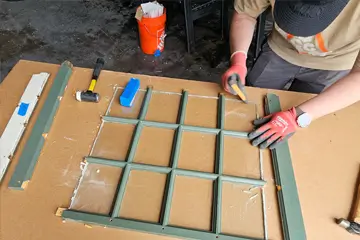
Our repairing wood rot process usually includes:
1. Inspection
We inspect the frame, sash, sill, trim, and surrounding surfaces to determine how far moisture has spread.
2. Rot removal
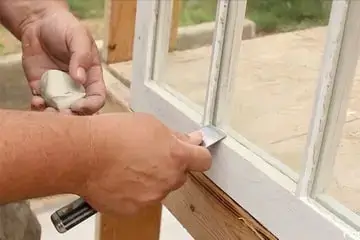
Compromised fibers are removed using a scraper, chisel, and precision cutting tools until only stable material remains.
3. Structural stabilization
A professional wood hardener is applied to reinforce weakened sections and prevent additional breakdown.
4. Surface rebuilding
Missing sections are rebuilt with epoxy filler shaped to match the original molding or profile.
5. Finishing
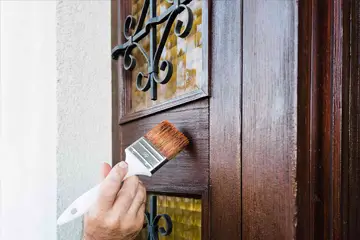
The repaired area is sanded, primed, painted, and protected with a preservative seal against future moisture intrusion.
This type of repair wood rot work often preserves original materials that would otherwise be unnecessarily replaced.
Wood Rot Repair for Buildings
In Manhattan properties, structural damage usually appears in predictable locations.
We regularly perform wood rot repairs in:
- Lower sill sections in pre-war apartments where condensation builds every winter
- Exterior frame corners in brownstones exposed to rain and street moisture
- Bottom sections of entry doors exposed to snow, salt, and standing water
- Decorative trim and molding near windows in poorly ventilated rooms
- Original sash systems where peeling paint has left the surface exposed
These areas often show cosmetic damage first, but hidden decay can spread underneath for years.
Repair Before It Spreads
Structural deterioration rarely stays in one place.
A soft lower corner this season can become a full frame rebuild next year. A small area near a sill can eventually affect trim, glazing support, and surrounding finishes.
In co-op and condominium buildings, delayed repairs can also create maintenance issues with management if moisture begins affecting shared structural components.
That is why repair rot wood problems early is usually faster, cleaner, and significantly less expensive.
Prevent Future Damage
After repairs are complete, prevention matters.
To reduce future damage:
- Inspect paint after every winter season
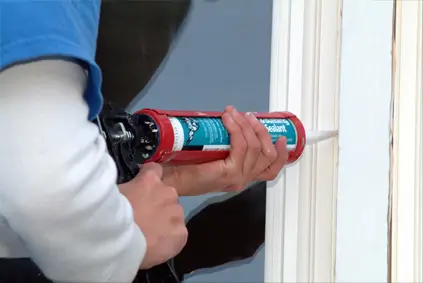
- Replace cracked caulk around glazing and frame joints
- Improve ventilation in rooms with heavy condensation
- Check exterior wood after major rain exposure
- Reseal exposed surfaces before fibers open again
These simple steps help preserve original materials in Manhattan buildings for decades.
Related read: Historic window restoration for homes in Manhattan
Related read: Manhattan storefront window installation
Related read: Sunroom Window Repair near Manhattan
Related read: Learn more about wood rot repair in Brooklyn
Related read: Hamptons wood rot repair services
Related read: Wood Rot Repair near Nassau County
Related read: Professional wood rot repair in New Jersey
Related read: Wood Rot Repair near Suffolk County
Related read: Window adjustment for homes in Manhattan
Related read: Trusted window restoration in Manhattan