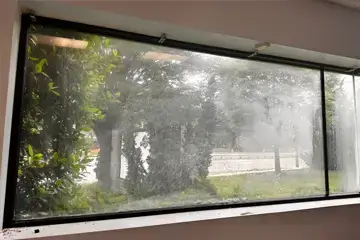
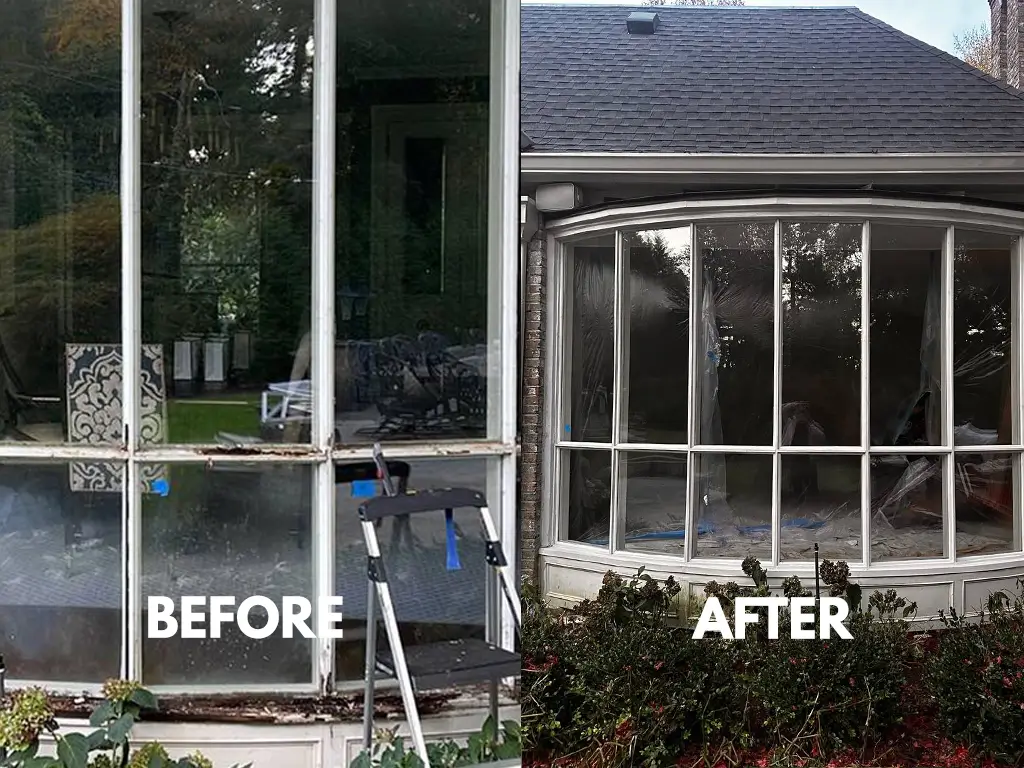
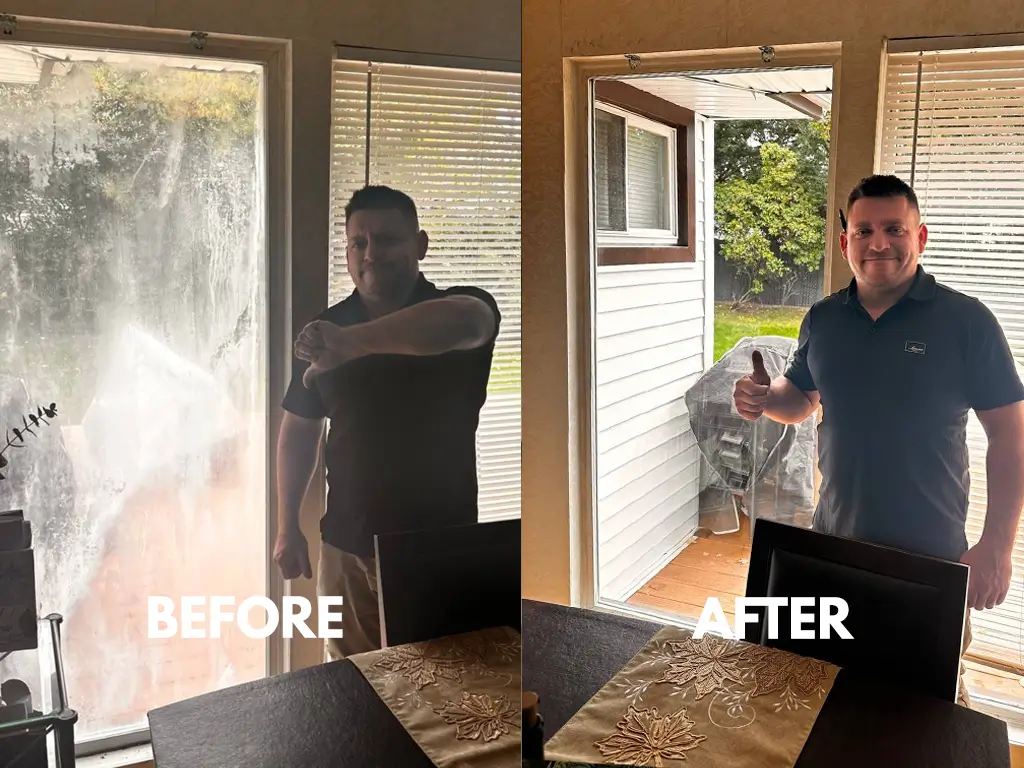
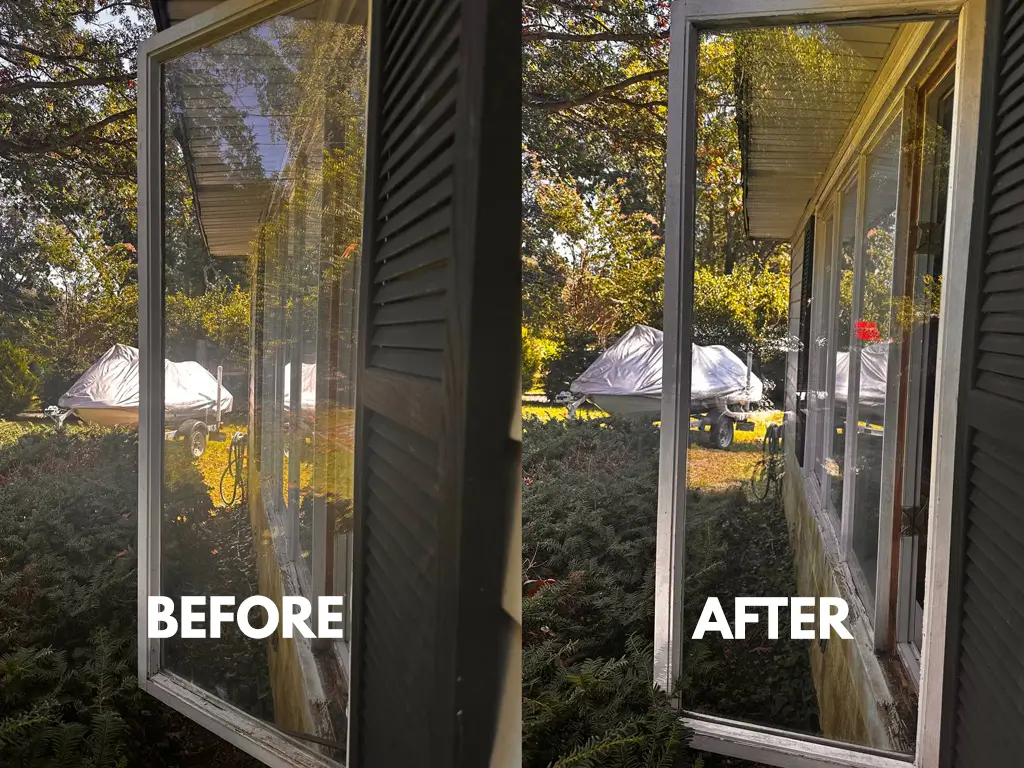
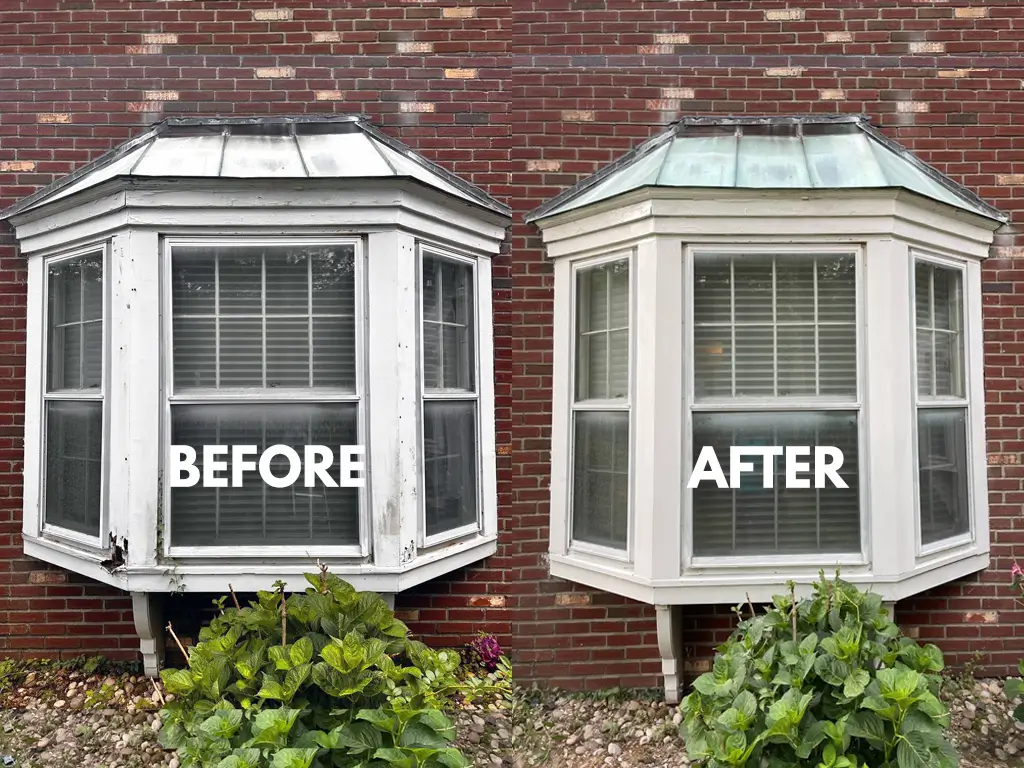
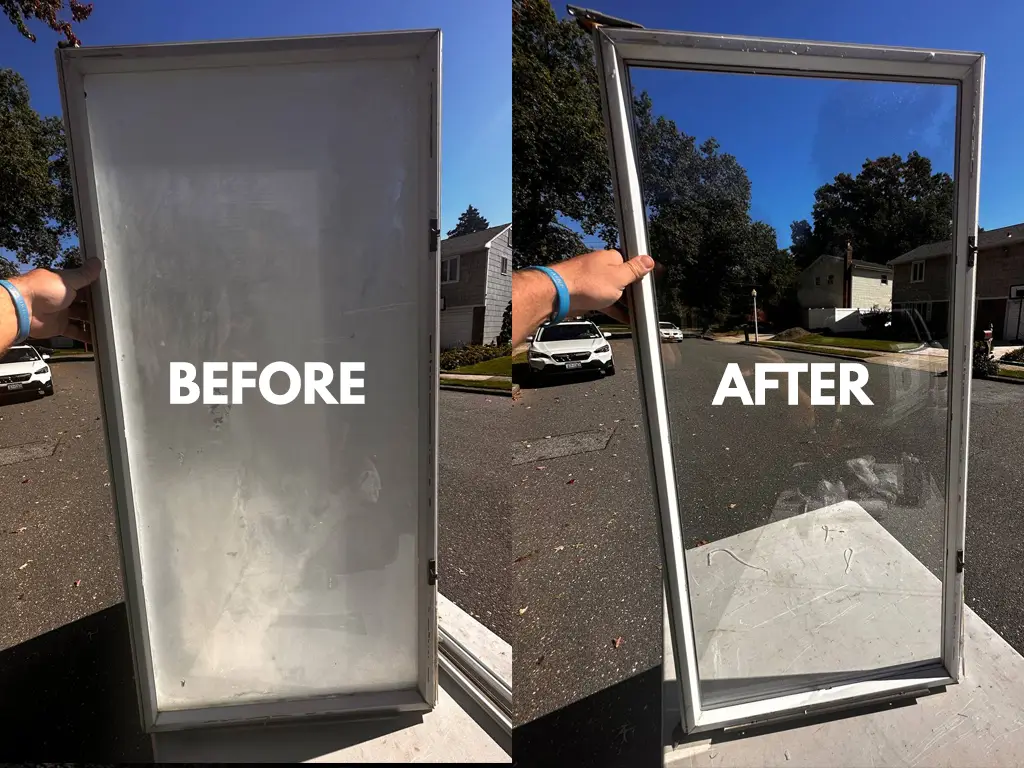
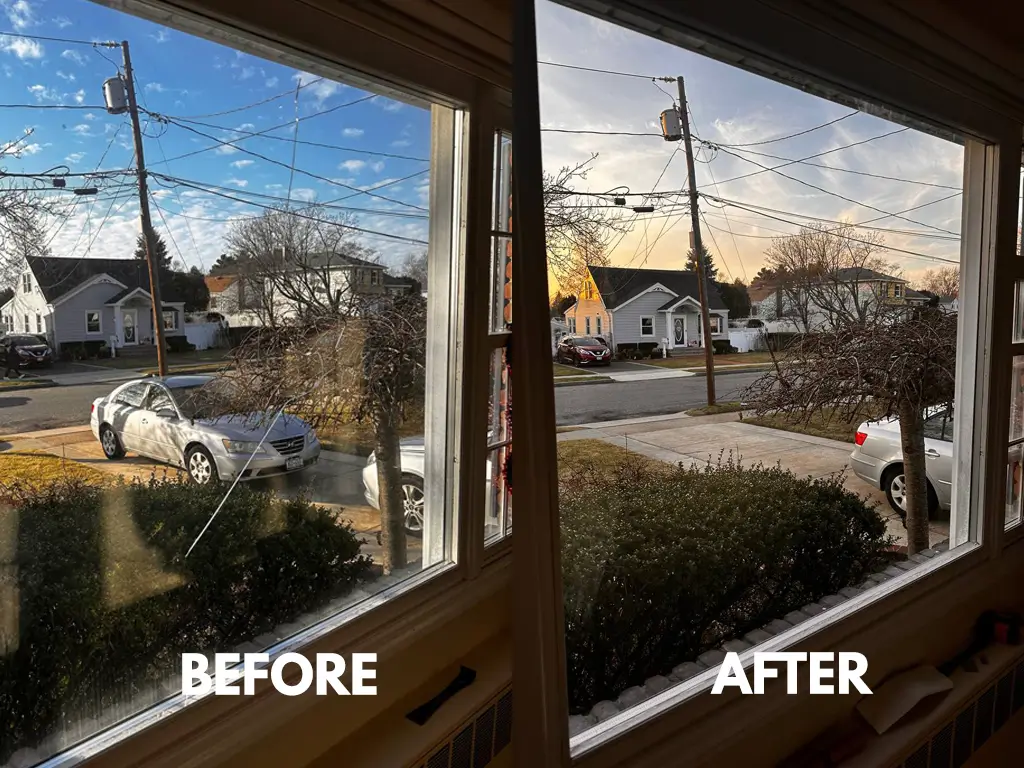
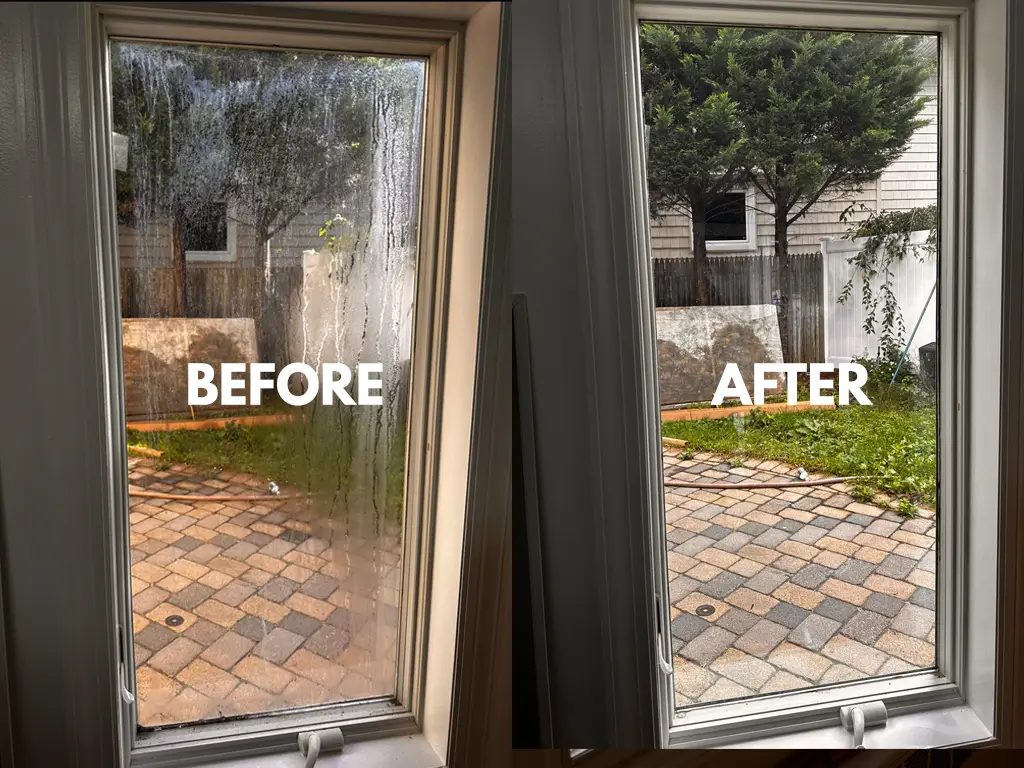
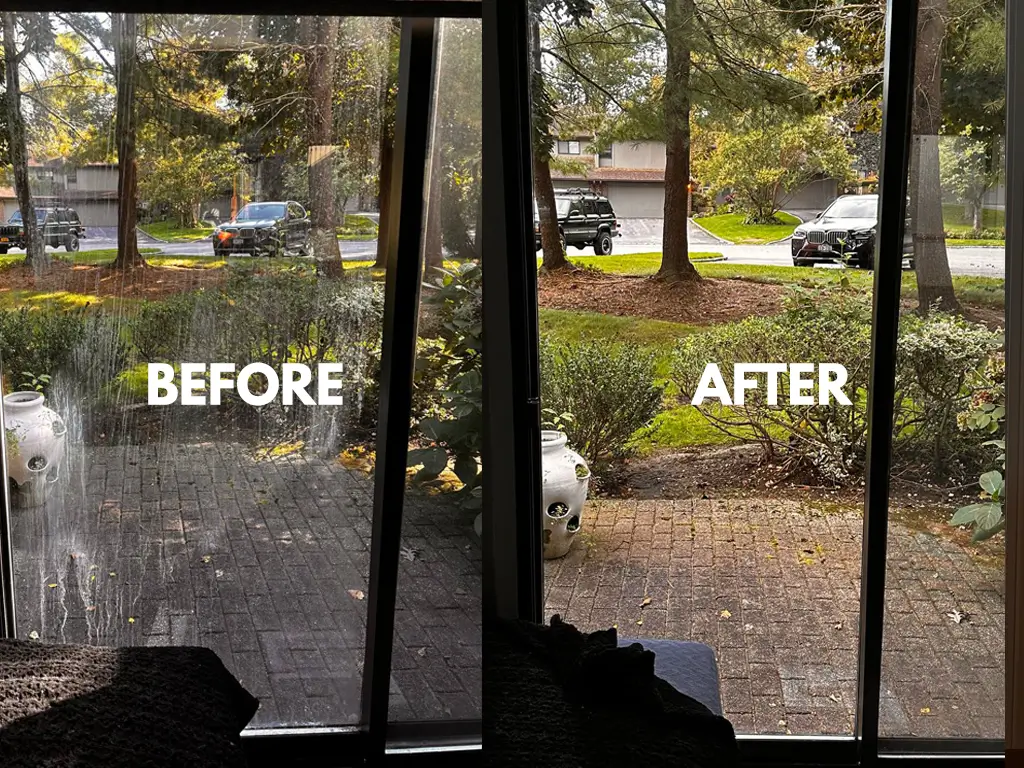
In Manhattan, many post-war apartments, co-ops, and modern condos rely on double-pane insulated windows. When haze or moisture appears between the panes, it is not dirt and it is not surface condensation that can be wiped away. In most cases, it means the sealed insulated unit has lost its integrity and is no longer performing the way it should.
For many residents, foggy window glass replacement restores visibility, insulation, and indoor comfort without removing the full window assembly.
Why Window Glass Gets Foggy in Manhattan
Most modern windows use an IGU, or insulated unit, made of two panes separated by a spacer bar. The sealed space between them usually contains argon gas or dry air designed to improve thermal insulation.
Over time, the perimeter seal begins to weaken.
Once seal failure happens:
- Argon gas escapes from the sealed chamber
- Outside moisture enters the insulated cavity
- Internal condensation begins to form
- Transparency and clarity start to decline
- Heat loss increases during winter months
In Manhattan, this process often happens faster because buildings deal with:
- Freezing winter temperatures followed by dry indoor heat
- Humid summers causing expansion and contraction
- Wind pressure on higher floors
- Structural movement in older frames
When this happens, double glass window foggy problems become more than cosmetic. The unit starts losing insulation and energy efficiency.
Foggy Unit Replacement vs Full Replacement
Many owners assume that cloudy insulated panes mean the entire window needs replacement.
In most cases, that is not true.
With foggy window glass repair, only the failed insulated unit is removed. The original frame, hardware, sill, and surrounding glazing remain in place.
This approach offers clear advantages:
- Lower cost than full replacement
- Faster installation
- No structural changes to the opening
- Easier approval in co-op and condo buildings
- Less disruption inside the apartment
In Manhattan, managed buildings often require approval for structural modifications. Replacing only the sealed unit is usually much easier to coordinate.
That is why many owners choose to replace foggy window glass instead of replacing the full assembly.
Signs Unit Needs Replacement
If you are not sure whether the insulated unit has failed, look for these signs.
Most common warning signs include:
- Permanent haze between the two panes
- Moisture droplets trapped inside the sealed cavity
- White mineral streaks that do not disappear
- Reduced transparency across viewing areas
- Noticeable energy loss during winter
- The inside pane feels unusually cold near the frame
These symptoms usually mean the insulated assembly has permanently failed.
This is when foggy glass windows begin affecting comfort, heating efficiency, and interior temperature stability.
How the Replacement Works
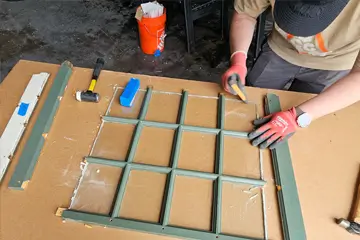
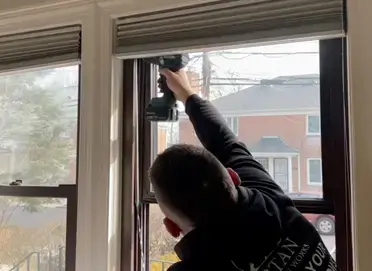
Our foggy glass window repair process follows a clear sequence.
1. Inspection
We inspect the pane assembly, glazing condition, frame movement, and surrounding seals to confirm the issue is inside the insulated unit.
2. Measurement
We measure the opening, pane thickness, spacer dimensions, and Low-E specifications.
3. Fabrication
A new double-pane insulated unit is ordered to match the original assembly.
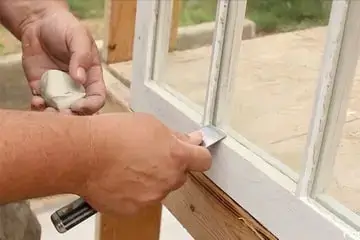
4. Removal
The failed sealed unit is removed carefully without damaging the surrounding frame, trim, or finishes.
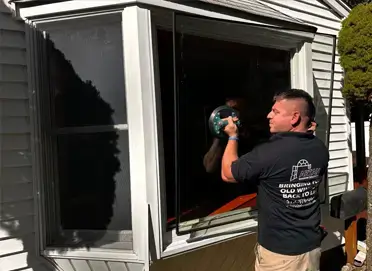
5. Installation
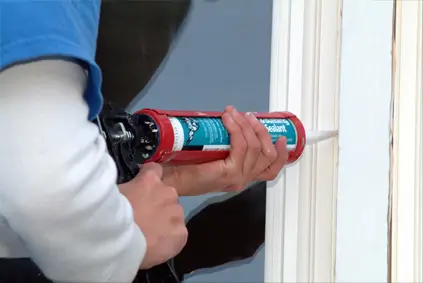
The new insulated pane is installed, sealed, and tested for alignment, insulation, and clarity.
In co-op and condo buildings, our contractor also coordinates building access and installation scheduling when needed.
Manhattan Buildings We Work With
We replace failed insulated units across the building types that define Manhattan.
In modern condos across Midtown Manhattan and Financial District, double-pane systems are standard, and seal failure is one of the most common service calls.
On the Upper West Side and Upper East Side, many co-op buildings use insulated units installed during earlier renovations.
In pre-war properties, insulated assemblies were often added later as energy upgrades and now require maintenance after years of exposure.
High-rise buildings require a different installation approach because wind pressure and upper-floor access affect handling.
Related read: Manhattan commercial storefront glass repair
Related read: Trusted historic window restoration in Manhattan
Related read: Door Adjustment in Manhattan
Related read: Brooklyn foggy glass replacement
Related read: Artan's foggy glass replacement services in Hamptons
Related read: Foggy Glass Replacement in Nassau County
Related read: Foggy glass replacement for homes in New Jersey
Related read: Artan's foggy glass replacement services in Suffolk County
Related read: Window Restoration in Manhattan
Related read: Professional window soundproofing in Manhattan