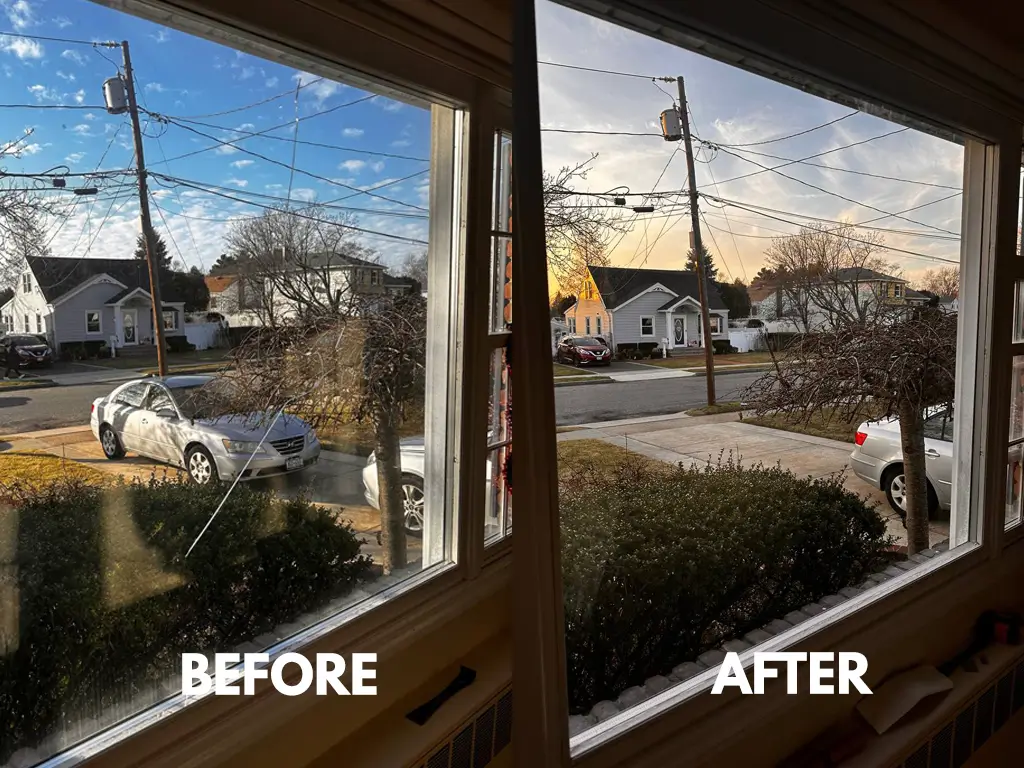
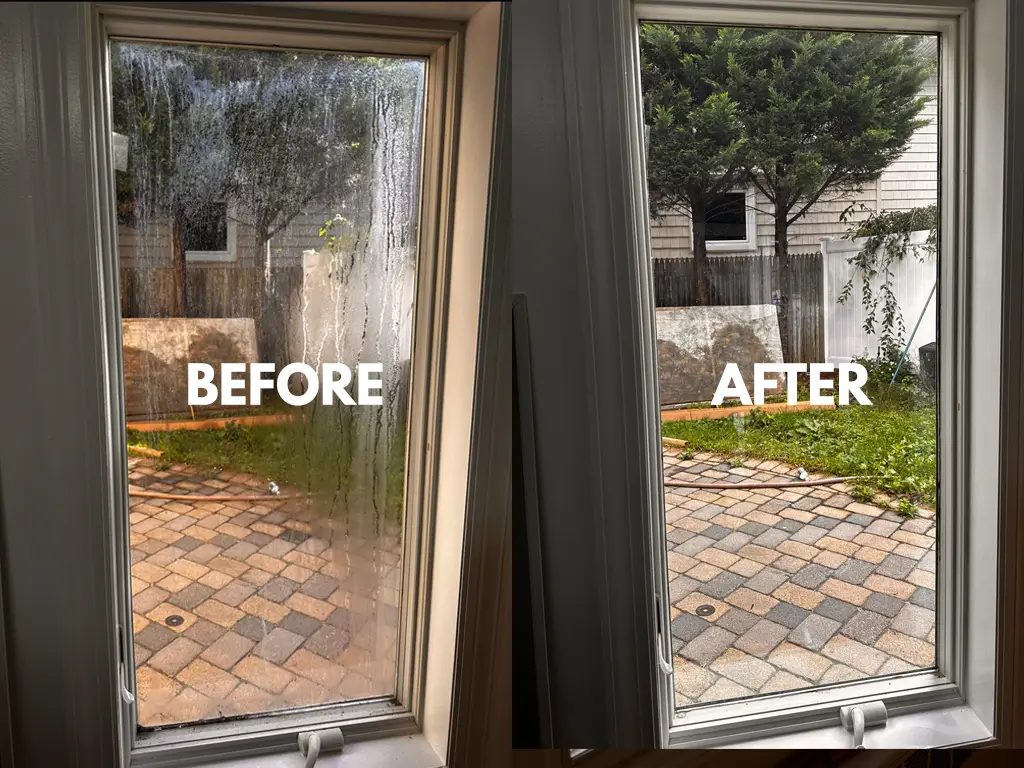
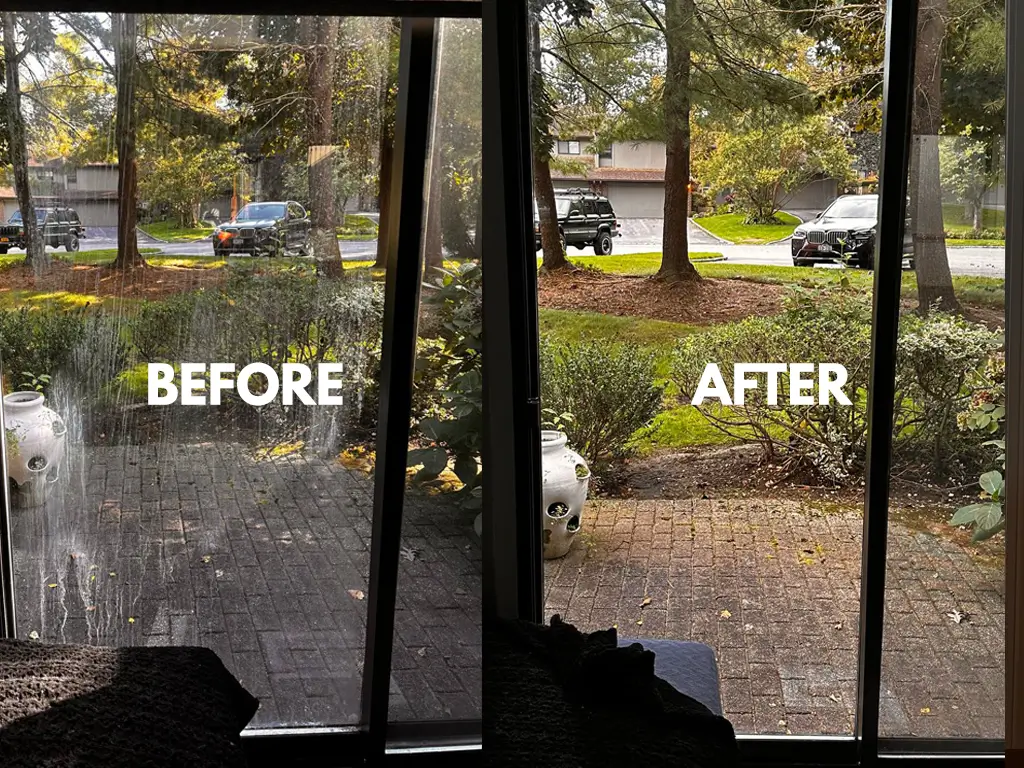
In Manhattan, one building may still use original single-pane units installed in a pre-war wood frame, while the next block may have insulated double-pane systems in a modern high-rise condo. Replacing damaged glazing in Manhattan is never one-size-fits-all. The material, frame type, building access, and local requirements all affect the right solution.
Whether you have a cracked pane in a brownstone, a failed insulated unit in a co-op, or broken safety glazing in a high-rise apartment, professional window glass replacement starts with identifying exactly what the building uses.
Window Glass Replacement in Manhattan Apartments
Replacing glazing in Manhattan requires understanding how different buildings were built.
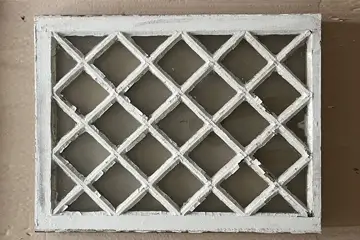
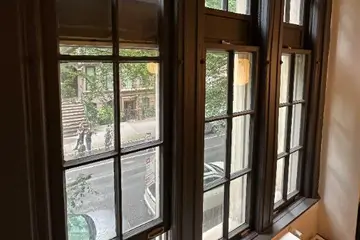
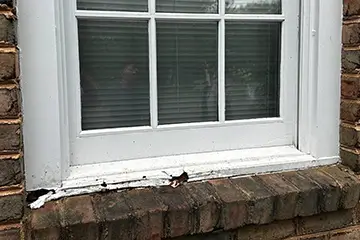
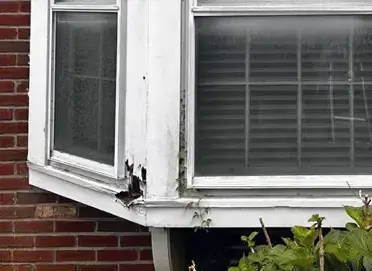
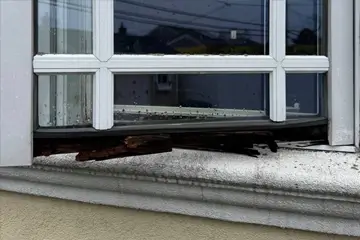
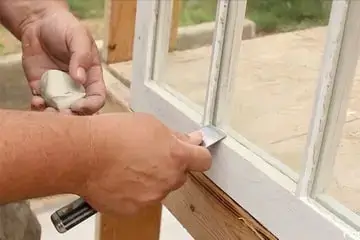
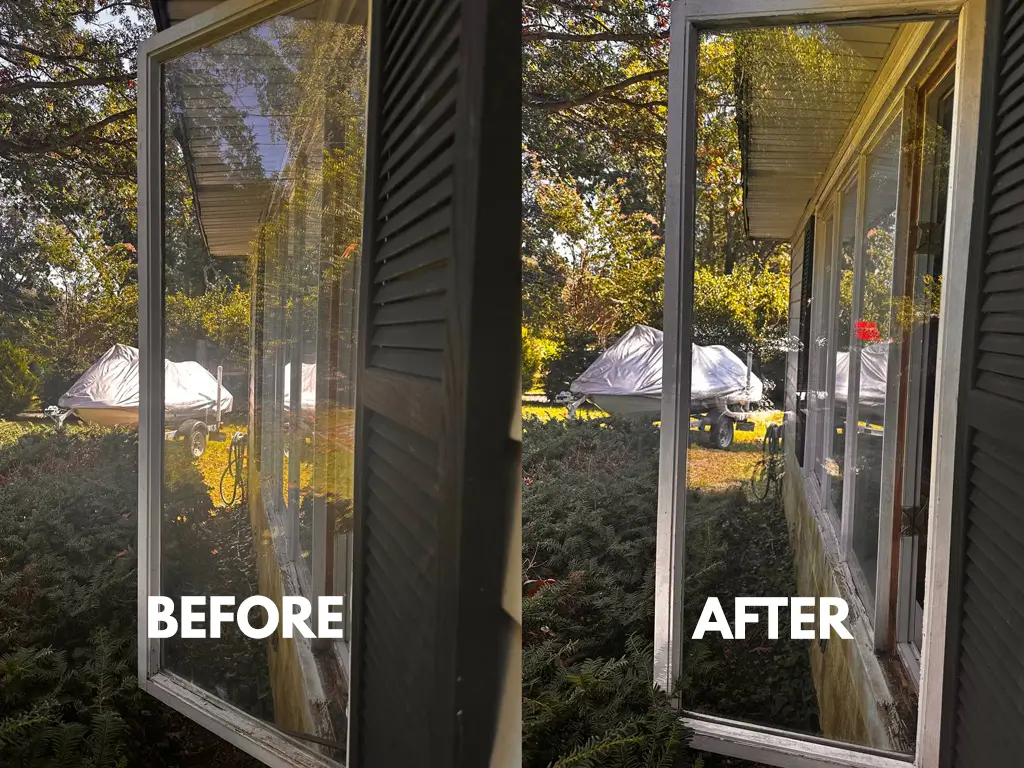
In pre-war apartments and brownstones, original wood sash systems often still hold single pane units secured with putty and traditional glazing methods. When one section cracks, the damaged pane can often be replaced while preserving the original frame, sill, and surrounding woodwork.
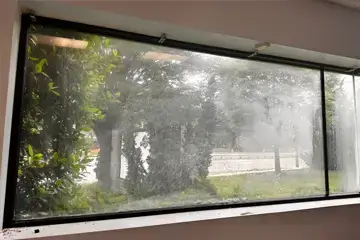
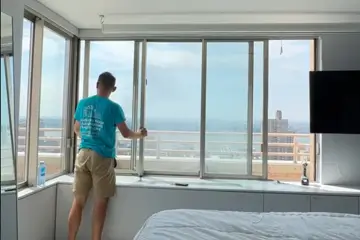
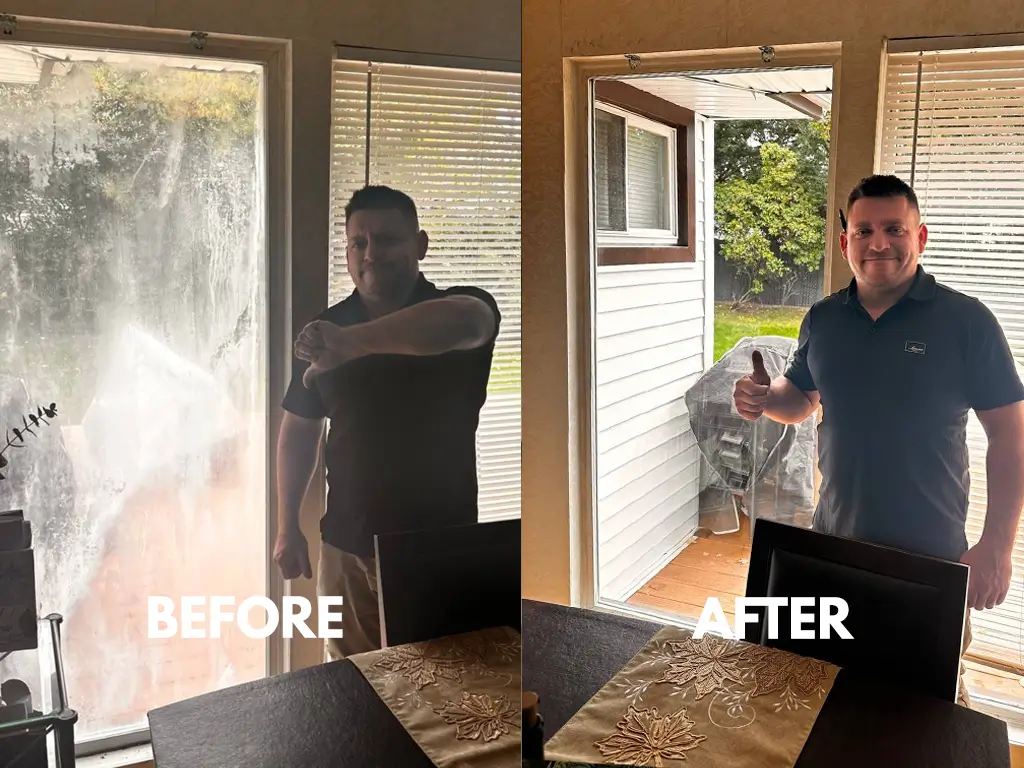
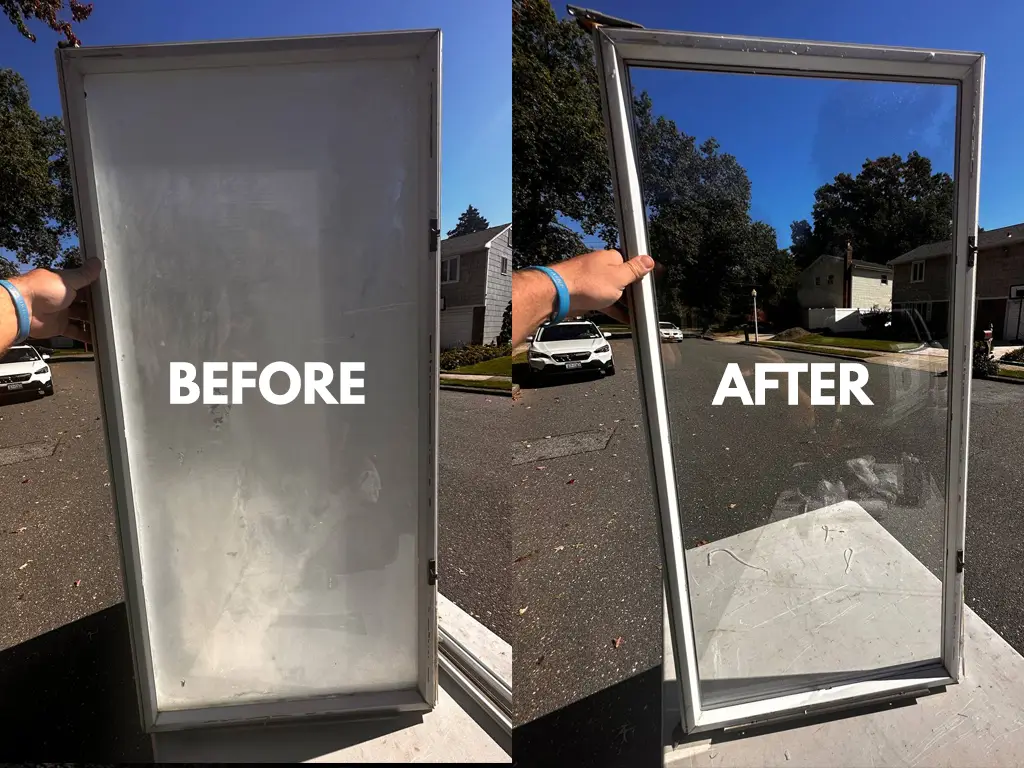
In modern condos and co-op buildings, the situation is different. Most units use double pane insulated assemblies, often built as an IGU with sealed airspace for insulation. If one section loses clarity, cracks, or develops internal moisture, the entire insulated unit is replaced instead of one pane.
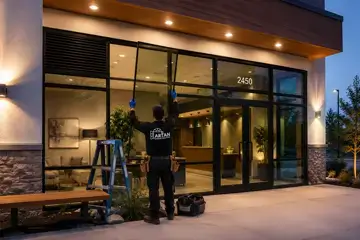
In high-rise buildings across Midtown Manhattan and Financial District, building code may require:
- Tempered glass for impact resistance
- Laminated glass for safety and sound control
- Low-E glass for improved energy performance
- Specialized safety glazing for upper-floor installations
This is why manhattan window repair often begins with identifying the building type before ordering materials.
Replace Glass in Windows
Many property owners assume that a cracked pane means replacing the entire assembly.
In most cases, that is not necessary.
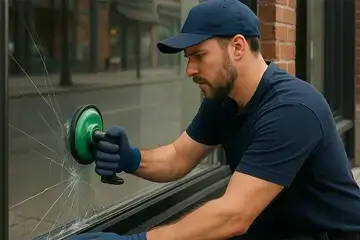
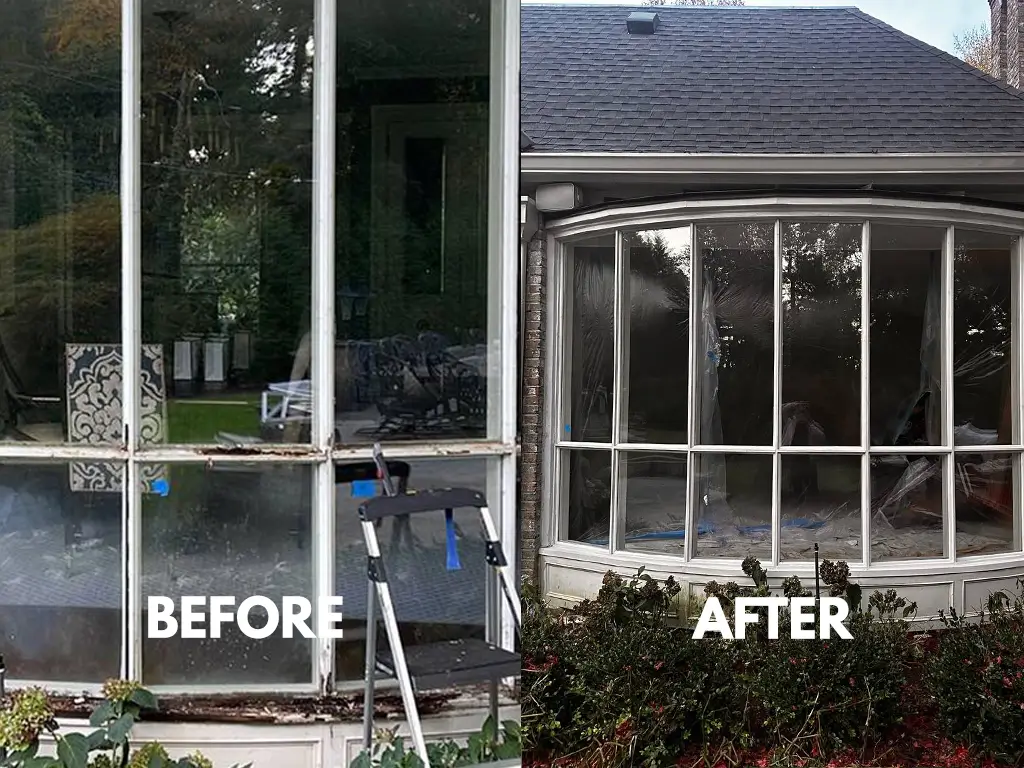
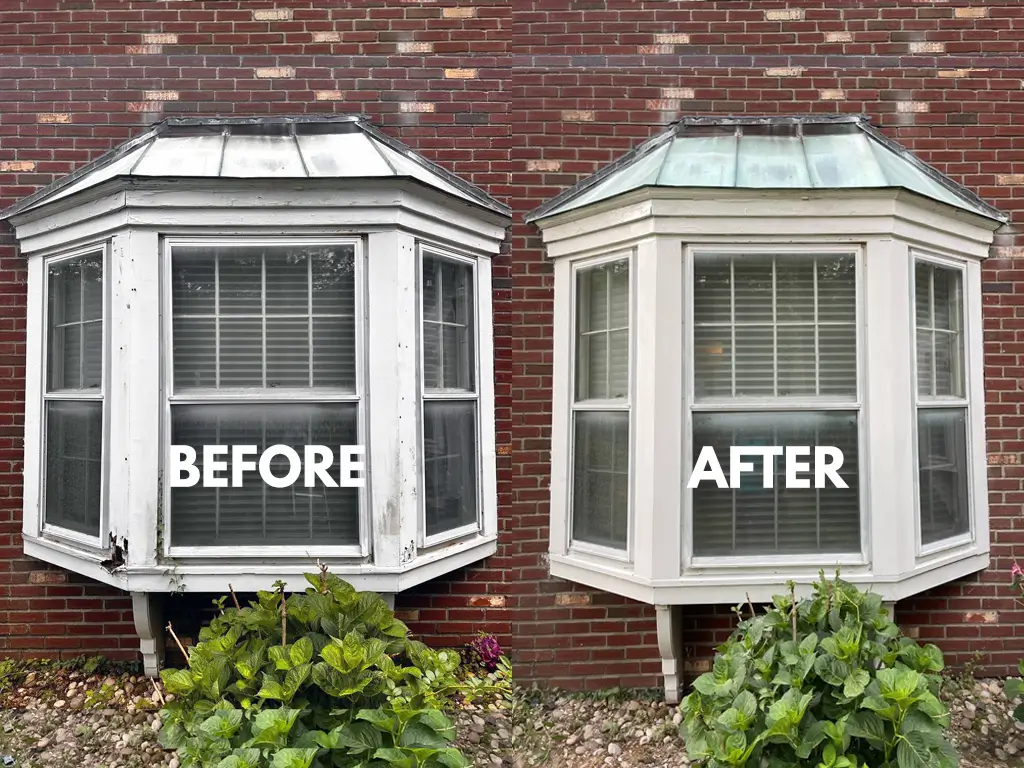
With replace glass in windows service, only the damaged glazing or insulated unit is removed. The surrounding sash, frame, hardware, and opening stay in place.
This approach offers practical advantages:
- Lower cost compared with full replacement
- Faster installation
- Less disruption inside the apartment
- Easier approval in co-op buildings
- Preserves original materials in historic properties
In many Manhattan landmark buildings, full frame replacement may also trigger preservation review. Targeted replacement avoids that problem.
That is why glass replacement for house window projects often make more sense than changing the full assembly.
Types of Glass We Replace
Our glazier team works with the most common residential glazing systems in Manhattan.
We replace:
- Single pane units in original wood frames in pre-war buildings
- Double pane insulated units in condos and co-op apartments
- Tempered glass where NYC code requires safety glazing
- Laminated glass for sound reduction and security
- Low-E glass for energy efficiency and improved insulation
- Custom pane assemblies for arched or non-standard openings
Each project starts with measurement, thickness verification, and frame inspection before fabrication.
Home Windows Glass Replacement
We perform home windows glass replacement across the building types that define Manhattan.
On the Upper West Side and Upper East Side, many co-op buildings still use original pre-war wood sash systems where cracked panes are secured with putty and traditional glazing.
In brick buildings across Harlem and West Village, vibration, building settlement, and seasonal movement often cause older panes to crack.
In modern condos across Midtown Manhattan and Financial District, insulated units often lose seal integrity after years of exposure.
In co-op properties, our contractor also works directly with management when approvals, elevator reservations, or building insurance documentation are required.
How Replacement Works
Our window and glass replacement process follows a structured sequence.
1. Inspection
We inspect the frame, sash, glazing condition, seal integrity, and surrounding structure.
2. Measurement
Exact measurements are taken to match thickness, dimensions, and installation requirements.
3. Material selection
We identify the correct pane type based on building code, insulation needs, and original construction.
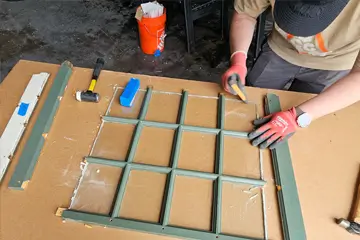
4. Removal
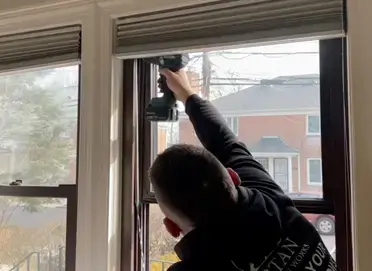
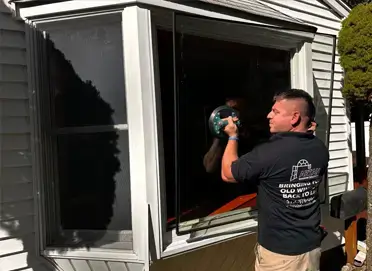
The damaged unit is removed carefully without affecting the surrounding frame or finishes.
5. Installation
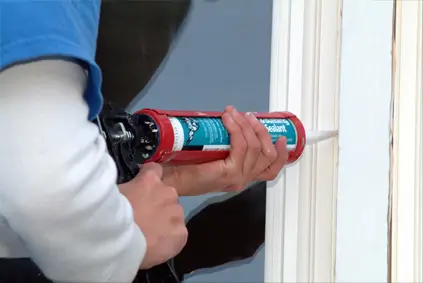
The new pane or insulated unit is installed, sealed, and tested for fit, clarity, and structural stability.
6. Final verification
We check alignment, transparency, weather sealing, and overall performance before project completion.
Related read: Artan's wood door restoration services in Manhattan
Related read: Window Glass Replacement services in New Jersey
Related read: Window glass replacement experts in Brooklyn
Related read: Window glass replacement for homes in Hamptons
Related read: Nassau County window glass replacement services
Related read: Trusted window glass replacement in Suffolk County
Related read: Historic window restoration experts in Manhattan
Related read: Learn more about foggy glass replacement in Manhattan
Related read: Professional window adjustment in Manhattan
Related read: Window Mechanism Repair in Manhattan
Related read: Learn more about window recaulking in Manhattan
Related read: Wood Window Repair in Manhattan