Choosing the right windows is about more than just aesthetics. For homeowners looking to improve energy efficiency, comfort, and property value, understanding window energy ratings is essential. These ratings help you compare important performance factors such as insulation, solar heat gain, air leakage, and visible light transmission — all of which directly affect your energy bills and indoor comfort.
In this guide, we’ll explain the most important window energy ratings in simple terms, show you how to read window labels, and help you choose windows that match your climate, home design, and long-term efficiency goals.
What Are Window Energy Ratings?
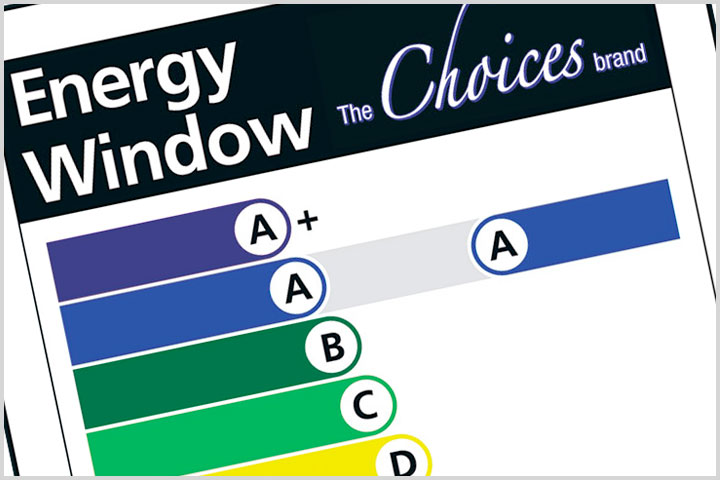
Window energy ratings are standardized performance indicators that measure how well a window insulates, controls solar heat, prevents air leakage, and allows natural light into the home. These ratings make it easier for homeowners to compare different window products and choose the best option for comfort and efficiency.
The two most recognized organizations related to window energy performance are:
NFRC — The National Fenestration Rating Council provides third-party verified ratings for window performance, including U-Factor, Solar Heat Gain Coefficient, Visible Transmittance, and Air Leakage.
ENERGY STAR® — A U.S. government-backed program that identifies energy-efficient products based on performance requirements for different climate zones.
Window energy ratings are the key to choosing products that meet your home’s needs — whether your goal is better insulation, lower energy bills, improved comfort, or reduced drafts.
Key Energy Performance Metrics Explained
U-Factor, or U-Value
The U-Factor measures how well a window prevents heat from escaping your home. It is especially important in colder climates and during the winter months.
A lower U-Factor means better insulation.
Most energy-efficient windows have U-Factor ratings between 0.20 and 0.30.
A window with a U-Factor of 0.25 will generally perform better in cold climates than a window rated 0.45.
When shopping for energy-efficient windows in regions like Long Island, New York City, or the Northeast, look for a low U-Factor to help reduce heat loss and improve indoor comfort.
SHGC, or Solar Heat Gain Coefficient
The Solar Heat Gain Coefficient measures how much solar radiation enters your home through the glass. This rating affects indoor temperature, cooling costs, and comfort during sunny or warm months.
A lower SHGC means less solar heat enters the home.
In hot climates, windows with an SHGC of 0.25–0.40 can help reduce cooling costs.
In colder climates, a higher SHGC may help capture natural solar warmth during winter.
Pro Tip: SHGC is especially important for south-facing and west-facing windows because they receive the most direct sunlight.
VT, or Visible Transmittance
Visible Transmittance measures how much natural light passes through a window.
VT usually ranges from 0.20 to 0.80.
A higher VT means brighter interiors and more natural daylight.
A lower VT can help reduce glare and overheating.
Low-E coatings and multiple glass layers may slightly reduce visible light, even in high-performance windows.
Choose a higher VT if you want bright, naturally lit rooms. Choose a lower VT if your main concern is glare, privacy, or excess heat.
Air Leakage, or AL
Air Leakage measures how much air passes through a window’s joints, sash, and frame.
It is measured in cubic feet of air per minute per square foot.
A lower AL rating means fewer drafts and better energy performance.
An AL rating under 0.30 cfm/ft² is generally considered efficient.
Windows with poor sealing, damaged weatherstripping, or worn frames often have higher air leakage, which can lead to drafts, heat loss, and higher energy bills.
If you suspect air leaks in your home, Artan Window Solutions offers professional sealing and window repair services to restore energy performance without full window replacement.
Reading Window Labels: ENERGY STAR® and NFRC Explained
When shopping for new windows, you will often see ENERGY STAR® and NFRC labels displayed on products. These labels help homeowners compare performance and choose windows suitable for their region.
ENERGY STAR® Label
The ENERGY STAR® label shows that a window meets or exceeds energy-efficiency standards for a specific U.S. climate zone. These standards consider factors such as U-Factor and SHGC.
ENERGY STAR® windows are designed to help homeowners reduce heating and cooling costs. In some cases, they may also qualify for local rebates or energy-efficiency incentives.
NFRC Label
The NFRC label provides a detailed breakdown of a window’s performance. It usually includes:
U-Factor
Solar Heat Gain Coefficient
Visible Transmittance
Air Leakage, when available
These ratings allow you to compare different windows side by side and choose the best product for your home’s energy goals.
How Energy Ratings Translate to Real-Life Benefits
Understanding window energy ratings is not just about technical numbers. These ratings affect everyday comfort, monthly utility costs, and the long-term performance of your home.
Energy-efficient windows can help provide:
Lower utility bills by reducing heat loss in winter and excess heat gain in summer.
Improved indoor comfort with fewer drafts and more stable room temperatures.
Quieter interiors because better-sealed windows can reduce outside noise.
Reduced condensation by limiting cold glass surfaces and moisture buildup.
Increased property value because energy-efficient upgrades are attractive to homebuyers.
Choosing the Right Windows for Your Climate
Not every home needs the same window ratings. The best choice depends on your climate, window orientation, and comfort goals.
Cold Climates, such as the Northeast and Midwest
Look for a low U-Factor below 0.30.
A moderate or higher SHGC can help capture solar warmth during winter.
Good sealing and professional installation are especially important.
Hot Climates, such as Southern States
Prioritize a low SHGC below 0.30 to block excess heat.
A good U-Factor still matters, but solar control is usually the main priority.
Mixed or Temperate Climate Zones
Look for balanced performance.
A U-Factor around 0.30 and SHGC around 0.40 may work well for many homes.
Consider window orientation, especially for south-facing and west-facing glass.
If you are not sure which ratings are right for your home, Artan Window Solutions can help recommend repair, replacement, or installation options based on your property, climate zone, and comfort needs.
Upgrading to Energy-Efficient Windows: What to Consider
If your existing windows are drafty, single-pane, poorly sealed, or decades old, upgrading to energy-efficient windows can provide major improvements in comfort and performance.
When choosing new windows, look for:
Double-pane or triple-pane glass
Low-E coatings for solar control and UV protection
Warm-edge spacers to reduce heat transfer
Durable and well-insulated frames, such as fiberglass, wood, vinyl, or wood-clad options
ENERGY STAR® ratings suitable for your region
Professional installation to prevent air leaks and performance issues
Even the best-rated window can perform poorly if it is not installed correctly. Proper measurement, sealing, insulation, and finishing are essential for long-term energy efficiency.
Conclusion: Window Energy Ratings Make a Difference
The more you understand window energy ratings, the better decisions you can make when repairing, replacing, or upgrading your windows. From U-Factor and SHGC to Air Leakage and Visible Transmittance, every rating plays a role in comfort, efficiency, and long-term savings.
For homes in Long Island, New York City, and the Northeast, choosing the right energy-efficient windows can make a noticeable difference throughout the year. Properly rated and professionally installed windows help reduce drafts, lower energy costs, improve comfort, and increase the value of your home.
If you are ready to explore high-performance window solutions, contact Artan Window Solutions today. Our team can help you choose the right windows for your needs and provide professional, energy-smart installation.
Read about year-round window maintenance in our guide to seasonal cleaning, seal inspections, and hardware care to keep your windows working smoothly throughout the year.
Related read: Find out Make Historic Windows Energy-Efficient
Related read: Find out Innovative Window Technologies Revolutionizing Modern Spaces
Related read: Your Windows Are Losing Energy
Related read: Read our guide: Make Old Wooden Windows Energy Efficient
Related read: Artan's guide to trends in modern window design
Related read: Find out double-glazed window replacement