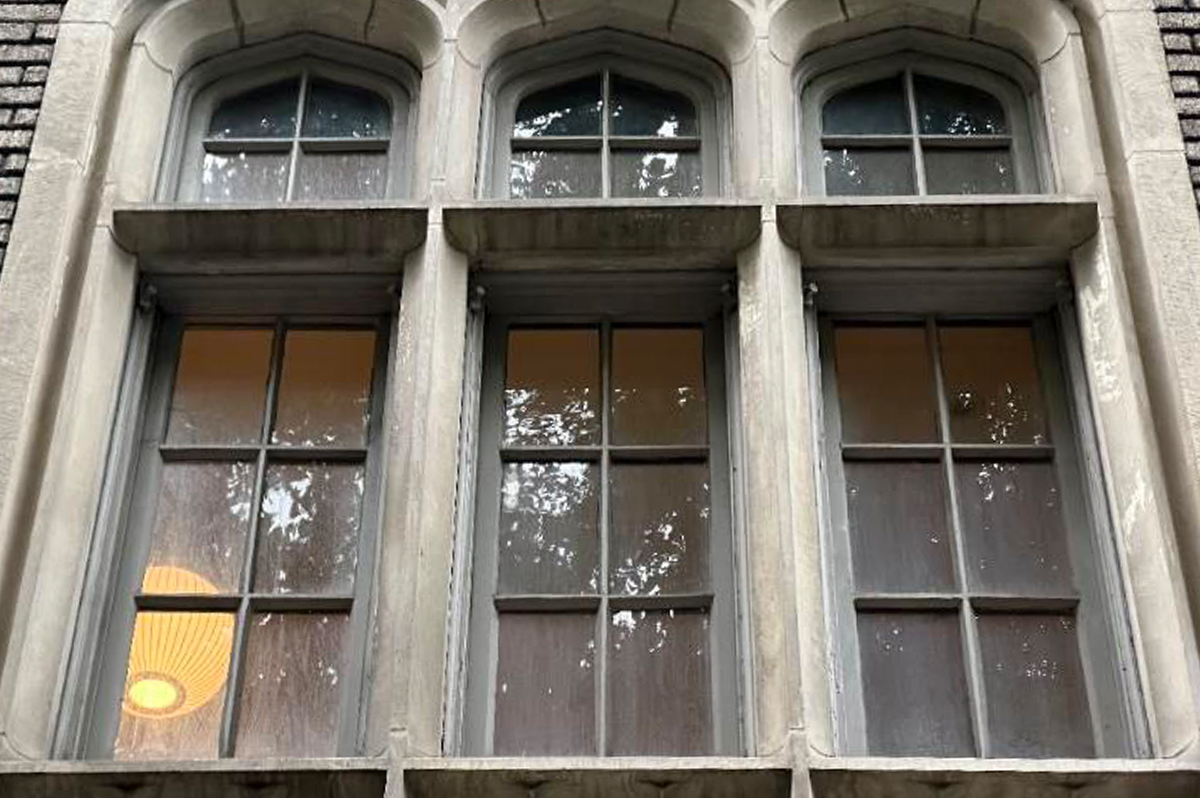
Wooden windows are a defining feature of timeless architecture — elegant, durable, and naturally insulating. However, as the years go by, even the best-crafted wood begins to show signs of age. Peeling paint, sticking sashes, or small patches of rot may leave homeowners wondering: Is it better to repair or replace my wooden windows?
This is one of the most common questions for those living in historic homes or properties with original woodwork. While replacement may seem like the easier solution, restoration often preserves value, character, and even saves money in the long run.
In this guide, we’ll break down the pros and cons of both approaches — wooden window restoration vs. replacement — so you can make an informed decision that balances aesthetics, cost, and efficiency.
Understanding Wooden Window Restoration
Wooden window restoration is the process of repairing and revitalizing existing windows to restore their original functionality, appearance, and insulation performance. It’s far more than just a cosmetic fix — it’s a preservation technique that retains the authentic craftsmanship of traditional joinery while reinforcing durability.
Here’s what restoration typically includes:
- Inspection and Assessment: Identifying decay, cracks, and air leaks.
- Wood Repair: Removing damaged wood and treating areas with epoxy fillers or replacement patches.
- Glass Replacement or Reglazing: Installing new panes while keeping the original sash structure.
- Sanding and Refinishing: Stripping old paint, priming, and applying high-quality finishes.
- Weatherproofing: Adding new seals and weatherstripping to improve energy efficiency.
With proper professional restoration, wooden windows can last another 20–40 years — often outperforming modern replacements in both aesthetics and longevity.
When Restoration Is the Better Choice
In many cases, repairing and restoring your existing wooden windows makes more sense than replacing them altogether. Here are a few key situations where restoration is the smarter choice:
- The wood is still structurally sound.
- If the damage is surface-level — peeling paint, minor rot, or loose glazing — restoration can fully renew the window’s integrity without the need for costly replacement.
- Your home has historical or architectural value.
- Many older homes in areas like Long Island, Brooklyn, or Manhattan are subject to preservation codes. In such cases, replacing original windows can reduce property value or even violate local regulations. Restoration allows homeowners to maintain authenticity while improving performance.
- You want to save money.
- Restoring a wooden window typically costs 40–70% less than installing a brand-new one. Considering that high-quality wood replacements can range from $1,000 to $2,500 per unit, the savings are significant.
- Sustainability matters.
- Choosing restoration over replacement is also an environmentally conscious decision — less waste, fewer materials, and reduced carbon impact.
In short, restoration allows you to preserve the original charm and craftsmanship of your windows while enhancing comfort and efficiency for years to come.
Understanding Window Replacement
Window replacement, on the other hand, involves removing the entire old frame and sash and installing a completely new unit. This option may be more suitable when the existing structure is too far gone — such as when rot has deeply compromised the frame or the window no longer functions properly.
Replacement windows can be made from various materials:
- Wood: classic and elegant, but expensive.
- Vinyl: affordable and low-maintenance, though less authentic.
- Fiberglass or Aluminum: modern, durable, and energy-efficient, but may clash with traditional architecture.
The typical window replacement process includes:
- Careful measurement and removal of the old unit.
- Installation of the new frame and sash.
- Insulation and sealing around the window opening.
- Finishing touches — painting, caulking, and interior trim.
While replacement windows can dramatically boost energy efficiency and reduce maintenance, they also come with higher upfront costs and may lack the aesthetic richness of traditional wood.
When Replacement Makes Sense
In some situations, replacement is the only viable solution. Here’s when it’s worth considering:
- Severe Rot or Structural Damage: When moisture has penetrated deep into the frame, restoration becomes impractical.
- Warped or Broken Frames: If the geometry of the window is compromised, even repairs won’t restore proper operation.
- Failed Glazing or Poor Insulation: Older single-pane windows may be beyond repair in terms of energy performance.
- Complete Mechanism Failure: When hardware is outdated or beyond restoration, a full replacement may be necessary.
However, before making a decision, always request a professional assessment. Specialists in wooden window restoration services can often save what appears to be a lost cause — repairing structural wood, reglazing panes, and resealing joints to restore both appearance and efficiency.
Restoration vs. Replacement: What’s Best for Your Wood Windows?
When it comes to old or damaged wood windows, homeowners often face a key decision — restore or replace. Below we break down the main differences to help you choose the right solution for your home.
Cost
Window restoration is usually 40–70% more affordable than a full replacement. If you want to preserve your original windows and stay within budget, restoration offers excellent value. Replacement windows require a higher upfront investment, especially if you choose custom designs or premium materials.
Time Required
Restoring existing wood windows typically takes 2–5 days, depending on condition and size. A full window replacement can take 1–2 weeks or longer, especially when ordering custom frames or glass.
Lifespan Extension
Professional window restoration can extend the life of your windows by 15–25 years. New replacement windows can last 25–50 years, depending on the material, maintenance, and installation quality.
Aesthetic Value
One of the biggest advantages of restoration is that it preserves the original charm and character of your home. Replacement windows, while new and uniform, may change the historic or architectural look of your property.
Energy Efficiency
Modern restoration techniques include weather sealing, reglazing, and insulation upgrades, which significantly improve energy performance. However, new replacement windows offer top-tier efficiency, especially with double- or triple-glazed glass units.
Environmental Impact
Restoration is the eco-friendly choice — it reduces waste and conserves existing materials. Replacement, on the other hand, creates more waste and involves the use of new manufacturing resources.
Customization
Restoration retains the existing window design, maintaining your home’s authentic appearance. Replacement allows for a complete redesign, ideal for those who want a new look or layout.
Suitability
Restoration is ideal for historic homes, older properties, or partially damaged wood windows. Replacement is best for severely deteriorated or warped frames that can’t be repaired effectively.
In summary:
If your wood windows still have solid frames and structure, restoration is the smarter, greener, and more cost-effective option. But if the damage is extensive, replacement may be the right long-term solution.
Cost Considerations
The decision between repair vs. replacement often comes down to budget. On average:
- Restoring a wooden window: $300–$800 per unit
- Replacing with new wood windows: $1,000–$2,500+ per unit
- Replacing with vinyl or composite: $600–$1,200 per unit
Although new windows may promise energy savings, restoration delivers immediate cost efficiency and preserves your home’s character.
Moreover, many homeowners find that restored wood windows perform just as well after modern upgrades like new glazing, seals, and weatherproof coatings.
Pro Tip: If your windows are in a historic property, restoration can also increase resale value — buyers appreciate authenticity and craftsmanship that cannot be replicated by modern materials.
Environmental and Architectural Impact
Wooden window restoration isn’t just about saving money — it’s about sustainability and preservation.
When you replace a window, the old one often ends up in a landfill. Manufacturing new windows consumes energy and generates carbon emissions. Restoration, however, conserves natural resources by reusing existing materials and extending their life span.
From an architectural perspective, preserving your original wooden windows also maintains historical integrity. In neighborhoods with older homes — such as those in Long Island, Brooklyn, and Manhattan — replacing traditional wood frames with vinyl or aluminum units can disrupt the property’s authentic aesthetic.
By choosing restoration, you preserve your home’s story — and contribute to a greener, more responsible approach to home improvement.
How to Decide What’s Right for Your Home
If you’re still unsure which option to choose, consider these three guiding questions:
- What is the extent of the damage?
- Minor wear and surface decay → Restoration.
- Deep structural rot or frame failure → Replacement.
- Is your home historically significant?
- If your property is listed or within a preservation zone, restoration is often required by law.
- What are your long-term goals?
- Want to preserve charm, save money, and stay eco-friendly → Restore.
- Want a fresh look, modern materials, and low maintenance → Replace.
Before deciding, schedule a professional inspection. Companies like Artan Window Solutions provide full diagnostics of wood condition, humidity levels, and energy efficiency.
Their experts can help you choose whether restoring or replacing wooden windows will yield the best return — both aesthetically and financially.
The Professional Touch
At Artan Window Solutions, we specialize in both wooden window restoration and custom replacement.
Our experts handle:
- Full restoration of historic and modern wooden windows
- Glass reglazing and insulation upgrades
- Rotten wood repair and epoxy reconstruction
- Weatherproof sealing and caulking
- Professional refinishing and painting
Whether your goal is to save a piece of history or upgrade to a more efficient window system, our team ensures every project enhances your home’s comfort, efficiency, and value.
Conclusion
When it comes to wooden window restoration vs. replacement, there’s no universal answer — but there is a smart one.
If your windows are structurally sound, restoration is the superior choice: it saves money, retains your home’s character, and reduces environmental impact. However, if the damage is extensive or functionality is compromised, replacement offers a clean slate with advanced efficiency.
The best approach is a professional evaluation that weighs both aesthetics and practicality. Whether you choose restoration or replacement, investing in your windows today will reward you with comfort, durability, and timeless beauty for years to come.